If you want a Dallas neighborhood where your morning coffee, workout, errands, dinner plans, and weekend fun can all happen close to home, Uptown deserves a closer look. For many buyers, the real appeal is not just the location on a map. It is the way daily life can feel easier, more connected, and more flexible. Here’s what a day in the life of living in Uptown Dallas can actually look like, and why that rhythm stands out. Let’s dive in.
Uptown Dallas at a glance
Uptown is often defined by convenience, but that only tells part of the story. Uptown Dallas Inc. describes the neighborhood as walkable and full of amenities, with coffee shops, green spaces, boutique gyms, and dining all within a short walk.
That setup shapes how you move through the day. Instead of planning around long drives, you may find yourself building a routine around what is nearby, whether that means a trail run before work or dinner out without getting back in the car.
Morning in Uptown
A typical Uptown morning often starts outdoors. The Katy Trail is a major part of the neighborhood’s routine, and this 3.5-mile City of Dallas park is open daily from 5 a.m. to 11 p.m.
For some residents, that means a quick walk with coffee in hand. For others, it means fitting in a run, a longer walk, or simply enjoying some fresh air before the day gets busy.
After that, everyday tasks are often easy to work into your schedule. Uptown’s official live page lists grocery stores like Whole Foods and Trader Joe’s, along with pharmacies, banks, pet care, salons, gyms, and boutique retail in the neighborhood.
That kind of access can make a real difference in how your mornings feel. If you can knock out errands close to home, your day starts with less friction and more flexibility.
Workdays feel more connected
One of Uptown’s strongest selling points is how well it supports a car-light lifestyle. Uptown’s mobility resources highlight the free M-Line Trolley, DART access through Cityplace/Uptown Station, and neighborhood bus routes.
The trolley loops through Uptown and connects to Klyde Warren Park and the Arts District. Because that service is free, it adds an easy way to move around without treating every outing like a full commute.
If you work from home, this same convenience can still matter. It is easier to break up the day with a walk, meet someone for lunch nearby, or step out for a quick errand without losing much time.
Evenings are easy to enjoy
When you live in Uptown, evenings do not have to be overplanned. The neighborhood’s layout makes it easy to go from work mode to dinner, drinks, or a simple walk without much effort.
West Village is one of the best-known examples of that rhythm. Uptown’s directory describes it as a walkable shopping and restaurant district, with a mix of places to dine and spend time outdoors.
Patio dining is part of the neighborhood’s appeal, and Uptown’s directory points to options like Good Graces, along with established district favorites such as Truluck’s and S&D Oyster Company. Whether you want a low-key weeknight meal or a polished dinner out, there are options close by.
That matters because convenience is not only about errands. It is also about having enjoyable ways to end the day without turning dinner plans into a major production.
Weekends feel close to home
Uptown can stay active on weekends, but it is not only about nightlife. The neighborhood also offers green space, community events, and easy access to cultural destinations.
Griggs Park is a good example. Official Uptown and Dallas Parks materials describe it as a renovated neighborhood park in Uptown, and it gives residents space for reading, picnics, pets, and skyline views.
If you want a larger outing, Klyde Warren Park is nearby and open daily from 6 a.m. to 11 p.m. This 5.4-acre deck park over Woodall Rodgers Freeway includes food trucks, dining, and event programming, which makes it an easy place to spend part of a Saturday or Sunday.
Uptown Dallas Inc. also emphasizes farmers markets, fitness pop-ups, live music, seasonal events, and art programming. That broader mix helps the area feel like a neighborhood with an ongoing calendar, not just a place to go out at night.
Arts and culture are within reach
Another part of living in Uptown is having well-known Dallas cultural destinations nearby. The Dallas Arts District includes the Dallas Museum of Art, the Nasher Sculpture Center, and the AT&T Performing Arts Center.
That means your weekend can shift easily from brunch or park time to a museum visit or a performance. You do not have to plan a full cross-town trip to add something cultural to your routine.
The scale of these destinations is also notable. The Dallas Museum of Art is among the 10 largest art museums in the country, the Nasher includes a 55,000-square-foot building and a 1.4-acre sculpture garden, and the AT&T Performing Arts Center operates a 10-acre campus.
For buyers who want a neighborhood that keeps them connected to city life, this access is part of Uptown’s draw. You can keep your world feeling local while still having major amenities close at hand.
What homes in Uptown look like
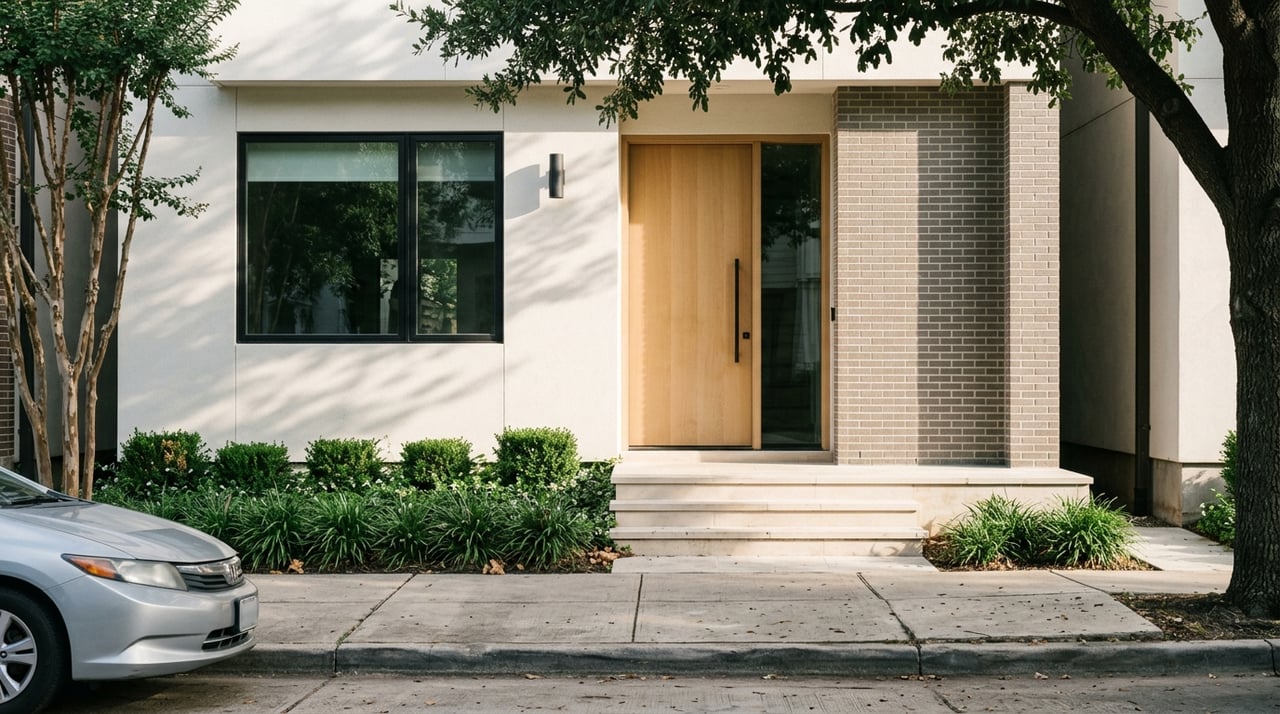
Uptown offers a varied housing mix, and that diversity shapes who the neighborhood can work for. Uptown Dallas Inc. describes the residential options as sleek high-rises, modern townhomes, historic buildings, luxury apartments and condos with skyline views, townhouses on tree-lined streets, and live-work spaces.
For many buyers, that means more choice in how they want to live. You may prefer a high-rise residence with a more lock-and-leave feel, or you may want the layout and privacy of a townhome while still staying close to the neighborhood’s activity.
The area’s built environment also supports a lower-maintenance lifestyle for many residents. That is a practical takeaway from the housing types and amenity pattern, especially if convenience and flexibility are high on your list.
Is Uptown walkable?
In short, yes. Uptown Dallas Inc. repeatedly describes the district as walkable, with most things a short stroll or scooter ride away.
That does not mean every resident will live the same way. Your exact routine will depend on where you work, what services you use most often, and which part of Uptown you call home.
Still, the neighborhood is designed in a way that supports walking as part of everyday life. For many buyers, that is one of the biggest reasons Uptown stands out from other parts of Dallas.
Can you live here without relying on a car?
For many residents, yes, at least more than in many other Dallas neighborhoods. The combination of the free M-Line Trolley, DART access through Cityplace/Uptown Station, and bus service makes car-light living realistic.
That can be appealing if you want more mobility options or simply want to reduce how often you drive. Even if you still keep a car, you may not need to use it for every workout, grocery run, or dinner reservation.
That said, the right fit depends on your habits. If your work and daily needs stay close to the neighborhood, Uptown can make a car-light routine much more doable.
Does Uptown feel like a real community?
That is a fair question, especially for buyers who know the area mainly for restaurants or nightlife. Uptown Dallas Inc. points to yoga in Griggs Park, volunteer opportunities, neighborhood events, and a public improvement district model that supports safety, beautification, and mobility.
Those details matter because they show the neighborhood functions as more than an entertainment area. It has systems and programming that support day-to-day living.
Uptown’s Griggs Park materials also describe the area as Dallas’s highest-density residential neighborhood, with more than 18,000 residents across a wide range of ages and life stages. That density helps support the steady, active feeling many people notice when they spend time there.
Who Uptown may suit best
Uptown can be a strong fit if you want a home base that feels connected, active, and relatively easy to navigate. Buyers who value walkability, nearby dining, green space, and easier access to transit often find the neighborhood especially appealing.
It can also make sense if you are looking for a lower-maintenance property type, such as a condo, high-rise residence, or townhome. The neighborhood’s housing mix gives you options while keeping you close to the daily conveniences that define the area.
If your goal is to simplify your routine without giving up city energy, Uptown offers a compelling lifestyle story. And if you want help deciding whether that story fits your goals, neighborhood guidance matters.
If you are exploring Uptown or comparing it with other premier Dallas neighborhoods, Carol Ann Zelley offers a personalized, concierge-level approach to help you find the right fit.
FAQs
What is daily life like in Uptown Dallas?
- Daily life in Uptown Dallas often includes walkable access to coffee shops, grocery stores, gyms, dining, green spaces, and transit options, which can make routines feel more convenient and connected.
Is Uptown Dallas a walkable neighborhood?
- Yes. Uptown Dallas Inc. describes Uptown as a walkable district where many amenities are a short stroll or scooter ride away.
Can you live in Uptown Dallas without a car?
- Many residents can live car-light thanks to the free M-Line Trolley, DART access through Cityplace/Uptown Station, and neighborhood bus routes.
What parks are near homes in Uptown Dallas?
- Griggs Park is located in Uptown and offers space for reading, picnics, pets, and skyline views, while nearby Klyde Warren Park adds dining, food trucks, and events.
What types of homes are common in Uptown Dallas?
- Uptown includes sleek high-rises, modern townhomes, historic buildings, luxury apartments and condos, townhouses on tree-lined streets, and live-work spaces.
Does Uptown Dallas offer more than nightlife?
- Yes. Uptown Dallas Inc. highlights farmers markets, fitness pop-ups, live music, art, seasonal events, volunteer opportunities, and neighborhood programming in addition to restaurants and bars.