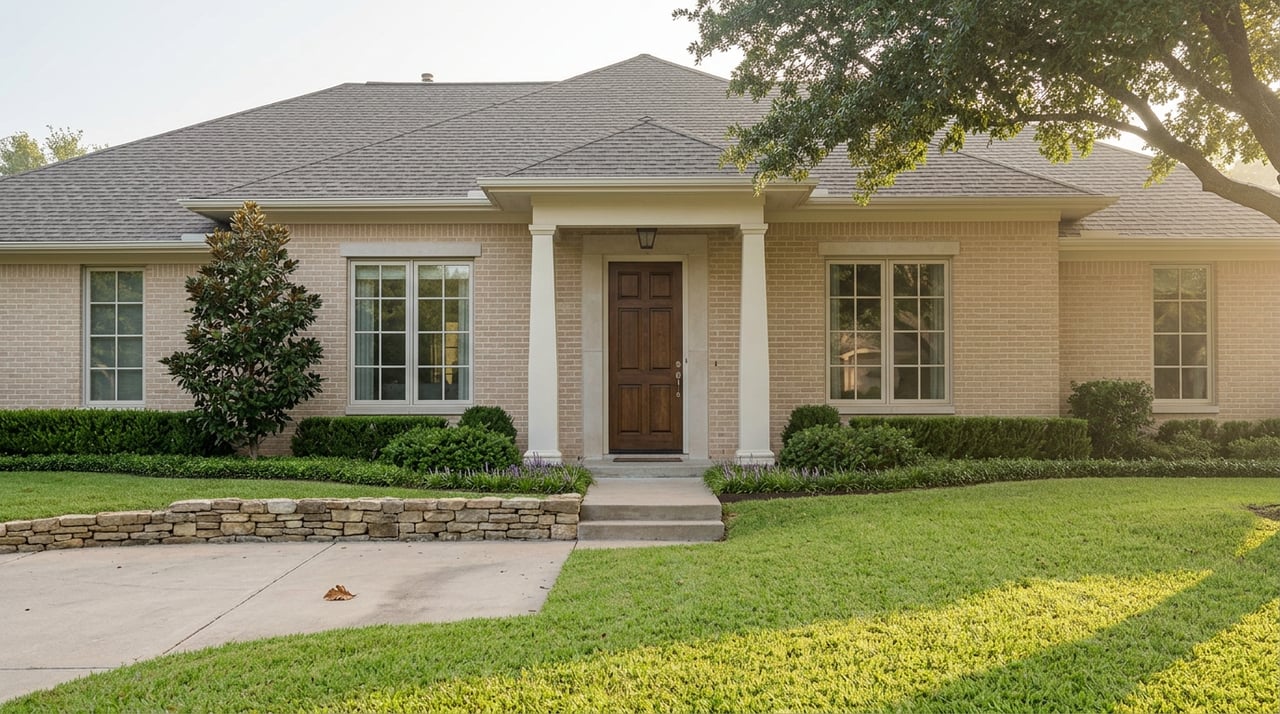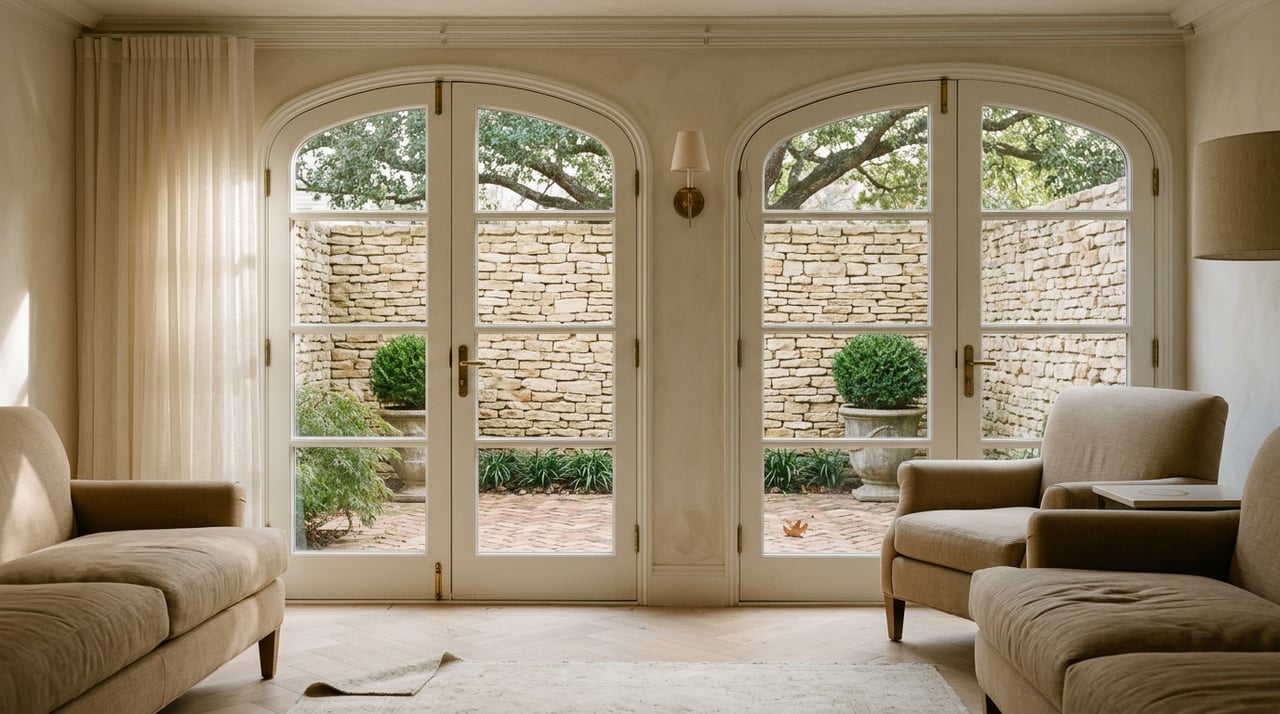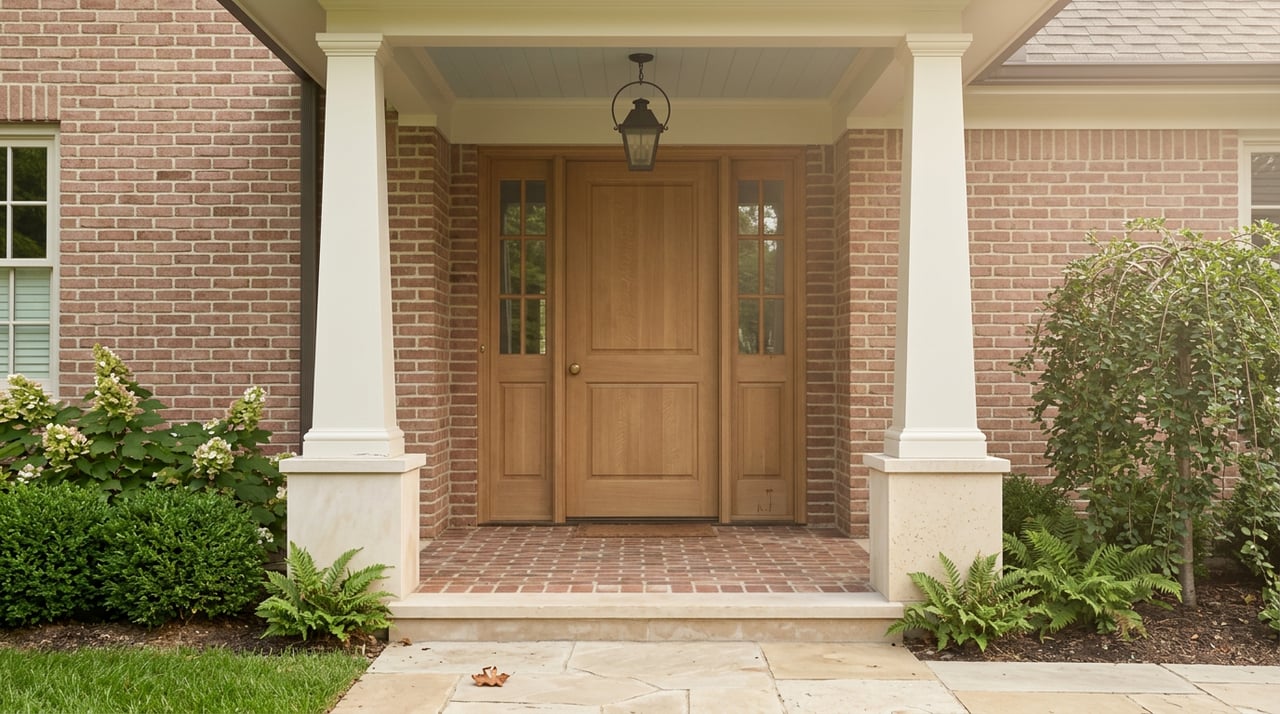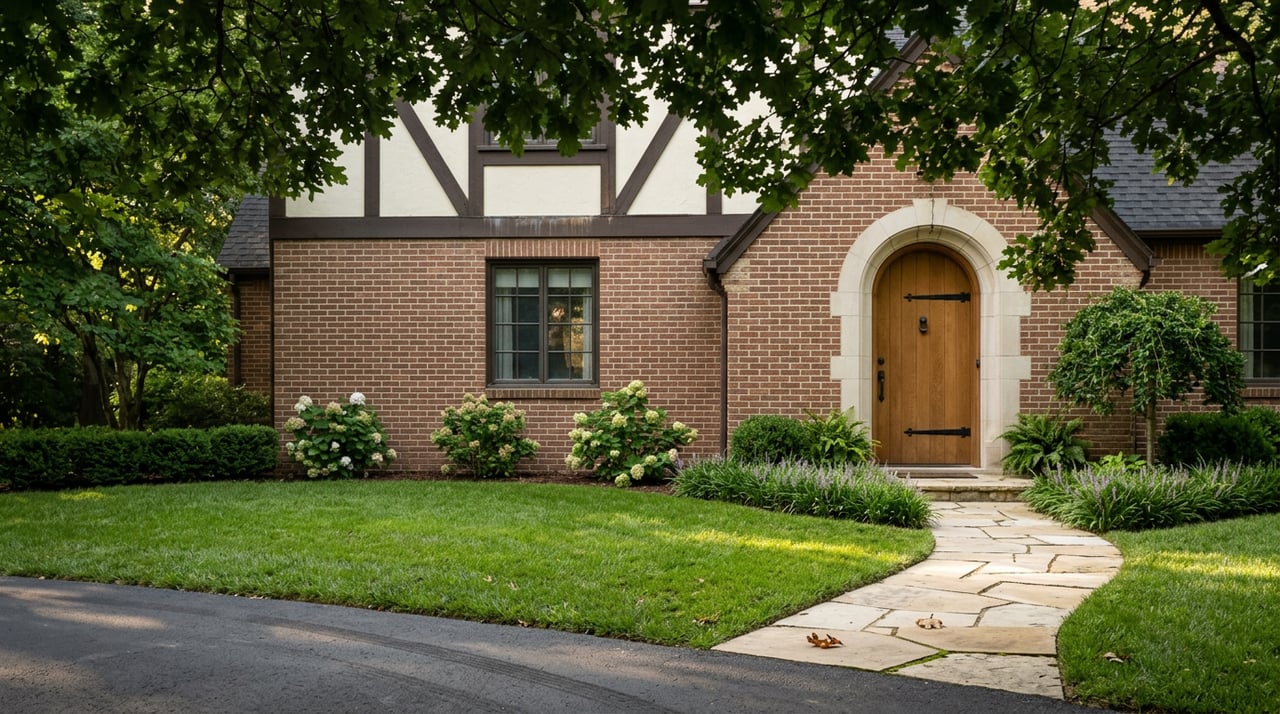
If you are selling a historic home in Highland Park, you are not just bringing square footage to market. You are presenting a property with architectural character, documented history, and a place in one of Dallas’ most recognized communities. That can feel exciting and high-stakes at the same time. With the right preparation, you can protect your home’s story, avoid surprises, and position it clearly for serious buyers. Let’s dive in.
Why Highland Park history matters
Highland Park has a strong architectural identity, and that shapes how buyers view older homes here. The town, incorporated in 1913, notes that its name reflects both its higher elevation and the fact that 20% of developed land was reserved for park space, which helps explain the area’s long-standing design appeal. You can see that legacy in places like Highland Park Village, built in 1931, which the Texas Society of Architects has described as one of the nation’s first planned shopping centers.
For sellers, that context matters because many homes in Highland Park and University Park are viewed as architecturally significant. Local reporting has highlighted work by notable architects including Hal Thomson and Clyde Griesenbeck, and Preservation Park Cities actively supports education and landmarking around Park Cities architecture and history. If your home has original design features or a known architectural background, those details may strengthen how it is presented.
Start with a provenance file
One of the smartest first steps is building a clear documentation packet before your home goes live. The Texas Historical Commission says the core materials for evaluating historic significance include the construction date, major alteration dates, architect or builder names if known, biographies of significant owners, current color photographs, historic photographs, and current and historic maps or plans. In other words, your home’s story should be organized, not guessed at.
This kind of packet can do more than support marketing. According to the Texas Historical Commission’s guidance on historic property documentation, survey photos and written descriptions also create an irreplaceable record of a property’s history. For a Highland Park seller, that means your file can become both a selling tool and a long-term record of the home itself.
What to include in your seller packet
- Original construction date
- Dates of major renovations or additions
- Architect and builder names, if known
- Names or background of notable prior owners, if known
- Current professional photos
- Historic photos
- Current and historic site maps, plans, or floor layouts
- Notes about original materials or preserved design features
Verify permits before listing
Historic homes often have decades of updates, and that makes permit history especially important. In Highland Park, the Community Development Department states that permits are required for demolition, remodeling and additions, repairs, fences, painting, and other work. The town also notes that property owners are responsible for making sure permits are obtained and that the relevant work must use state-licensed and town-registered contractors.
That is why it helps to pull the permit record early through Highland Park Community Development. If there were additions, exterior changes, or major repairs over time, you want to understand what was done, when it happened, and whether the file is complete before buyers begin asking questions.
Why permit review builds confidence
A permit review can help you:
- Confirm past work was properly documented
- Reduce avoidable questions during due diligence
- Clarify what is original and what was updated later
- Support a smoother conversation around future renovation potential
Confirm any designation or restriction
Many sellers assume an older home is automatically protected, but age alone does not create historic status. The Texas Historical Commission explains that a property may be recognized locally, at the state level, or federally, and some properties may also have preservation easements or covenants. If your home has any formal designation or restriction, that should be confirmed before the property is marketed or altered.
The Texas Historical Commission’s historic property resources also note that owners can receive technical assistance even if a building is not formally designated. For you as a seller, the key is clarity. Buyers should understand whether the home carries any special status and whether that status affects future work.
Market the home’s architectural integrity
When it comes to positioning a historic home, the strongest story is usually not just about finish-outs or room count. Preservation professionals often focus on integrity, meaning location, design, setting, materials, workmanship, feeling, and association. That framework is useful because it helps you present the home as a complete architectural experience, not just a luxury asset.
In practical terms, your marketing should show how the home balances original character with modern livability. The Texas Historical Commission notes that historic significance often comes down to age, integrity, and significance, and that preservation and compatible rehabilitation can coexist with modern use. That is an important message for Highland Park buyers who want both authenticity and comfort.
Features worth highlighting
Depending on the home, that may include:
- Original exterior materials or facade details
- Preserved millwork, staircases, windows, or masonry
- Thoughtful additions that respect the original design
- A setting that complements the home’s period and street presence
- Architectural pedigree or known design influences
Understand the likely buyer pool
In Highland Park, the buyer pool for a historic home is often split. One group is drawn to authenticity, documentation, and architectural legacy. Another may be more focused on lot value, location, or redevelopment potential.
That split matters because the same property can attract very different reactions depending on how it is priced and presented. Preservation Park Cities reflects a real audience for landmarking and preservation, while local reporting has also noted that significant Park Cities homes have been demolished for new construction. A confident selling strategy should account for both realities without confusing the message.
Price with precision, not guesswork
Historic homes rarely fit neatly into a standard pricing formula. The research available for Highland Park shows why sellers should be careful about relying on one headline number alone. Zillow reports an average Highland Park home value of $2.891 million, Redfin reported a March 2026 median sale price of $2.2085 million, and Realtor.com reported a $4.9 million median listing price with 43 homes for sale.
Those figures are not direct contradictions because they measure different things, including estimated value, closed sales, and active listings. The practical takeaway is simple: pricing should be benchmarked against both sold comparables and current inventory, especially when your home appeals to a narrower luxury buyer pool that may value originality differently than a standard move-in-ready property.
Create a buyer-ready handoff
Once your home is listed, the goal is not only to generate interest but also to make the buyer’s review process easier. A clean documentation packet helps buyers understand what is original, what has changed, and what may influence future renovation or preservation decisions. That kind of preparation can support confidence on both sides of the transaction.
For most Highland Park historic-home sales, the strongest handoff includes provenance, permit history, current and historic photos, and any available maps or plans. It is a practical way to show that the home has been cared for and thoughtfully represented.
Know what likely does not apply
Some sellers wonder whether historic-preservation tax credits will help market a home. In most cases, that is not a major factor for a typical owner-occupied Highland Park residence. The Texas historic preservation tax credit program is generally aimed at certified historic structures used for income-producing or nonprofit purposes, not owner-occupied residential property.
That means your strongest value story will usually come from the home’s architecture, condition, documentation, and market positioning rather than from tax-credit incentives.
Sell with confidence in Highland Park
Selling a historic home in Highland Park is part real estate strategy and part stewardship. When you document the home’s legacy, verify permits and restrictions, present its architecture clearly, and price for the right buyer pool, you create a stronger path to a successful sale. If you want a tailored, concierge-level approach to preparing and marketing a significant home, Carol Ann Zelley can help you move forward with clarity and confidence.
FAQs
What should you gather before selling a historic home in Highland Park?
- You should start with a provenance file that includes the construction date, renovation history, architect or builder if known, current and historic photos, and any maps or plans related to the home.
Does an older home in Highland Park automatically have historic protection?
- No. The Texas Historical Commission says age alone does not create historic status, so you should confirm whether the home has any local, state, or federal designation, easement, or covenant.
Why do permits matter when selling a Highland Park historic home?
- Permit records help show what work was completed, whether updates were properly documented, and what buyers should understand during due diligence.
How should you market a historic home in Highland Park?
- The strongest approach is to highlight the home’s architectural integrity, preserved features, thoughtful updates, and overall setting rather than focusing only on size or finish level.
Do historic preservation tax credits usually apply to owner-occupied homes in Highland Park?
- Usually no. Texas historic preservation tax credits are generally intended for certified historic structures used for income-producing or nonprofit purposes, not owner-occupied residential property.