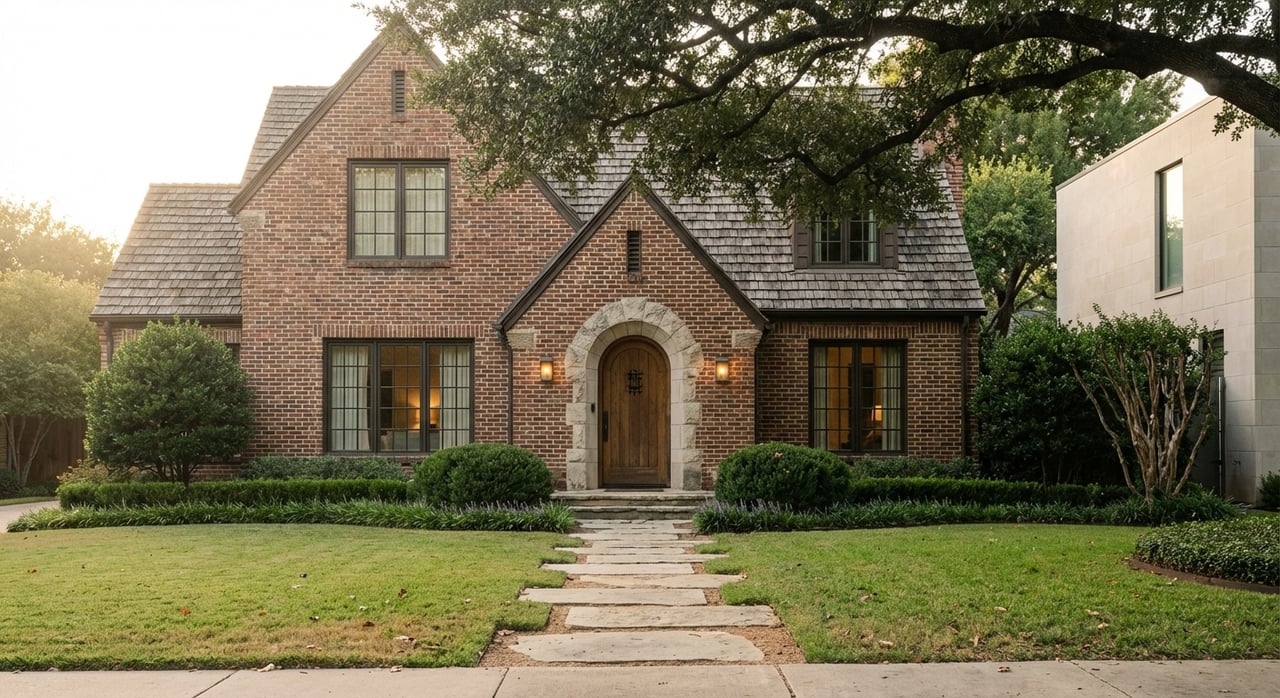
You know the feeling: you turn a corner in Kessler Park and a storybook Tudor or sun-washed Spanish Revival catches your eye. If you are thinking about buying or selling here, understanding the architecture is more than aesthetics. Style affects livability, renovation costs, and value. This quick guide breaks down the hallmark styles you will see, what they mean for your day-to-day life, and smart steps to take before you make a move. Let’s dive in.
Why Kessler Park architecture stands out
Kessler Park sits on rolling, tree-canopied terrain in North Oak Cliff. Early additions were built mainly in the 1920s through the 1940s, with postwar pockets added later. You can explore the neighborhood’s development timeline on the Kessler Neighbors United history page for helpful context about topography and eras of construction. Kessler Neighbors United’s neighborhood history
Several early additions, along with Stevens Park Golf Course, are recognized on the National Register of Historic Places as the Kessler Park Historic District. The nomination highlights Tudor Revival, Mission or Spanish Revival, and Bungalow or Craftsman homes as defining styles. Review the architectural descriptions in the Kessler Park Historic District nomination for a deeper dive.
For exterior changes and most new construction, the City of Dallas Kessler Park Conservation District is the operative rulebook. If you are planning a renovation or addition, start with the City of Dallas conservation district page to understand standards and permitting.
Signature styles you will see
Tudor Revival (1920s–1940s)
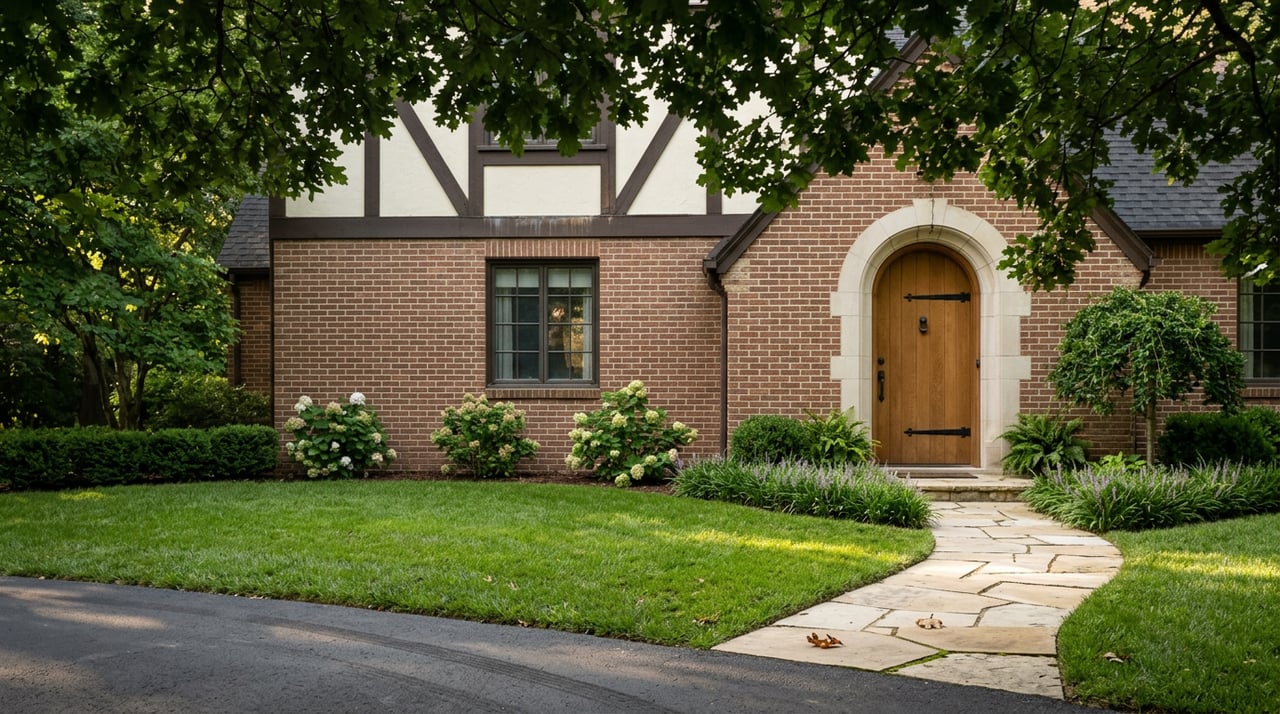
- Hallmarks: steep, cross-gabled roofs, tall narrow windows, prominent chimneys, arched recessed entries, and heavy brick or stone details. Sizes range from cottage-scale to larger two-story homes. See visual cues in this Dallas historic homes guide.
- Local presence: a visible and prized part of early Kessler Park streetscapes, especially within the historic district core. The NRHP file documents notable examples. NRHP nomination
- Livability notes: curb appeal is a strength. Interiors may have more compartmentalized rooms and smaller kitchens, which some owners open up with careful, period-respectful renovations.
Spanish Colonial, Spanish Eclectic, and Mission Revival (1920s–1930s)
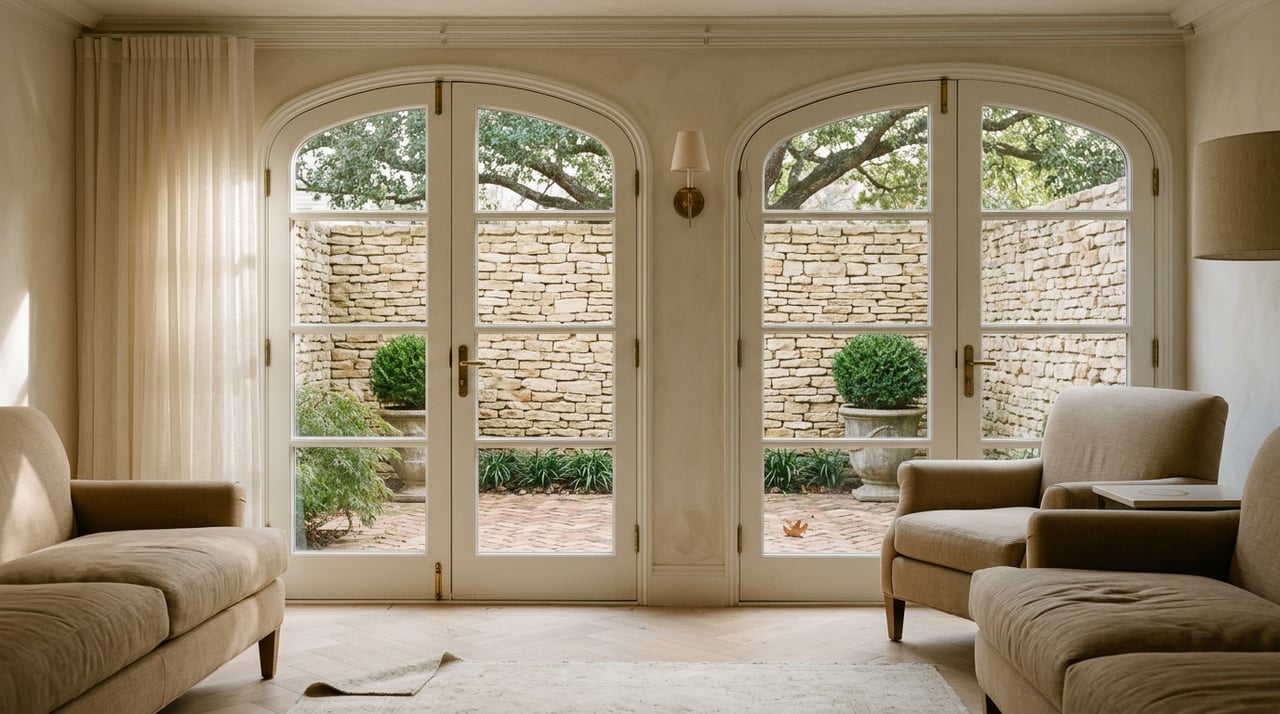
- Hallmarks: stucco exteriors, low-slung clay-tile roofs, arched openings, decorative tile or ironwork, and courtyards or patios that favor indoor-outdoor flow. These read as Mediterranean-influenced. Kessler Park Historic District overview
- Local presence: often found on larger or higher-elevation lots where mature landscaping complements the architecture.
- Livability notes: strong connection to outdoor spaces, with materials like stucco and clay tile that are durable but can be specialized to repair.
Colonial Revival and Eclectic Revivals (1920s–1930s)
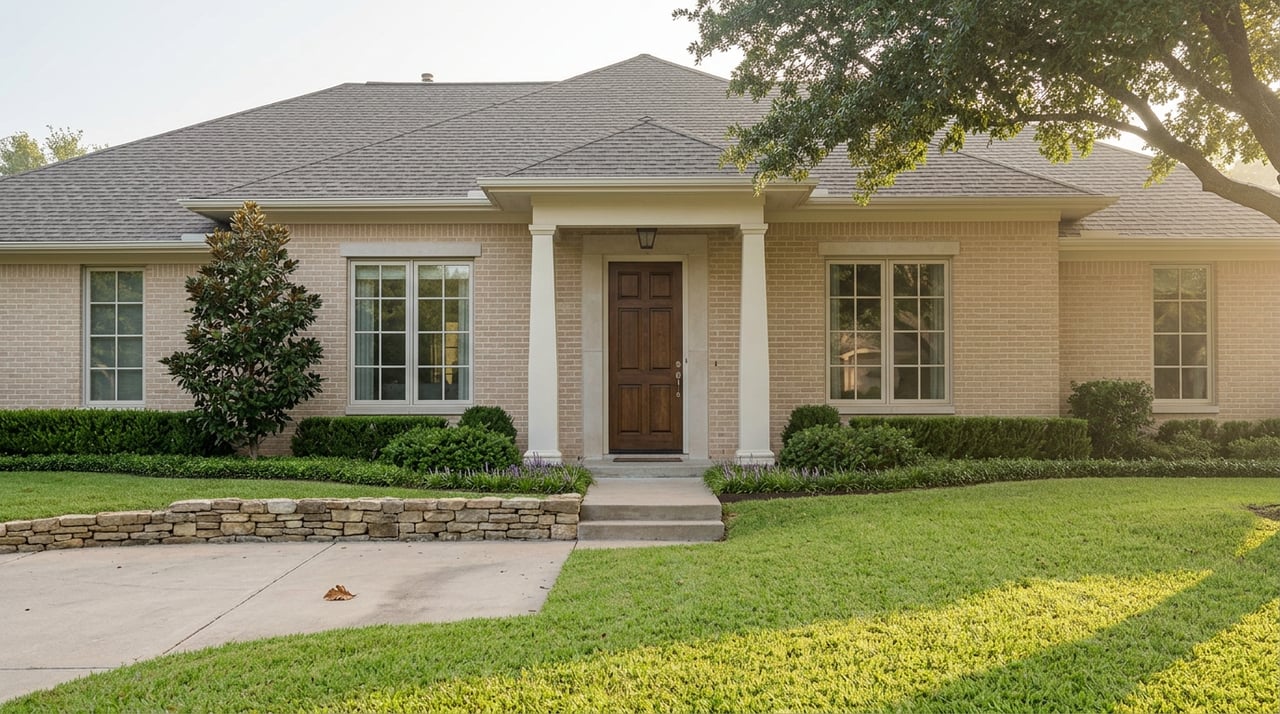
- Hallmarks: symmetrical facades, columned or pedimented entries, double-hung windows, and restrained classical trim. Often appear as two-story brick homes.
- Local presence: cited in the historic district documentation as part of the area’s revival mix. NRHP nomination
- Livability notes: formal curb appeal and balanced layouts. Period floor plans may feel traditional, which some owners keep for character while updating kitchens and baths.
Bungalow and American Craftsman (1920s)
- Hallmarks: lower profiles, generous porches supported by tapered or square columns, exposed rafter tails, built-ins, and natural materials. In Kessler Park, many are masonry or stone-clad bungalows with revival details. District overview
- Livability notes: efficient footprints and inviting front porches. Expect to budget for modernization if you want larger kitchens or expanded primary suites.
Mid-century modern and Ranch (1950s–1960s)
- Hallmarks: long, horizontal lines, expansive glass, open plans, and strong indoor-outdoor connections. Postwar pockets like Kessler Lake and Kessler Woods capture this era. Neighborhood history
- Local presence: common along sloped or creekside lots that frame golf course or green views.
- Livability notes: open layouts and larger windows feel current. Sloped sites can add complexity to structural changes or additions.
Late-20th-century townhomes and recent custom homes (1970s–present)
- Hallmarks: small-lot townhomes near neighborhood edges and custom contemporary or transitional homes on larger or infill lots. Neighborhood history
- Livability notes: newer systems and layouts can reduce renovation needs. Infill projects inside the conservation district still require careful permitting.
How style affects livability and value
Topography and trees
Kessler Park’s rolling hills, rock outcrops, and mature oaks create privacy and memorable streetscapes. The same terrain can increase design and construction costs for additions or multi-level builds, so factor grading and retaining strategies into plans. Neighborhood history
Lot size and orientation
Early additions often have smaller, regular lots with revival bungalows. Later additions and estate pockets introduce larger, sometimes irregular parcels. Lot size and slope influence whether a property is a renovation candidate or a better fit for replacement construction. Neighborhood history
Original materials and maintenance
Character details like clay-tile roofs, stucco, leaded or multi-pane windows, and half-timber accents are part of the neighborhood’s charm. They can also be specialized to repair. Ask about roof age and type, stucco condition, and window glazing when you evaluate a home. District overview
Floor plans and modernization
Prewar homes often feature defined rooms and smaller service areas. If you want an open kitchen or great room, plan for structural work and system upgrades. See common structural considerations in this visual guide to Dallas historic homes.
Market positioning by style
Restored Tudors and larger Spanish Revival homes tend to command premiums. Updated mid-century modern and larger ranch homes also perform well. Smaller bungalows and some townhomes can offer lower entry points, with modernization costs to consider.
Renovation, permits, and new builds
Exterior changes and many new builds inside the conservation district require City review. Start with the City of Dallas conservation district page to confirm boundaries, standards, and the submittal process.
Steep lots, height rules, and grade calculations have been active discussion points in Kessler Park. If you are considering an addition or new construction on a sloped site, engage a surveyor or engineer early and align your design with ordinance requirements.
Quick style-spotter checklist
Use these fast cues when you scroll listings or tour homes:
- Rooflines: steep cross gables and tall chimneys suggest Tudor; low clay tile points to Spanish or Mission; long low pitches hint at Ranch or mid-century.
- Exterior materials: stucco and tile for Spanish; heavy brick or stone with half-timber accents for Tudor; clapboard or brick symmetry for Colonial Revival; mixed masonry and generous porches for Craftsman.
- Windows and entries: leaded casement or multi-pane windows with arched entries feel Tudor; arched arcades and wrought iron suit Spanish; double-hung windows and centered doors with columns read Colonial Revival.
- Interior tells: built-in cabinetry and exposed beams suggest Craftsman; original leaded glass and coved plaster point to Tudor; terrazzo, large sliders, and open plans flag mid-century.
For a deeper visual primer across Dallas styles, browse this architectural guide.
Smart budgeting and ROI tips
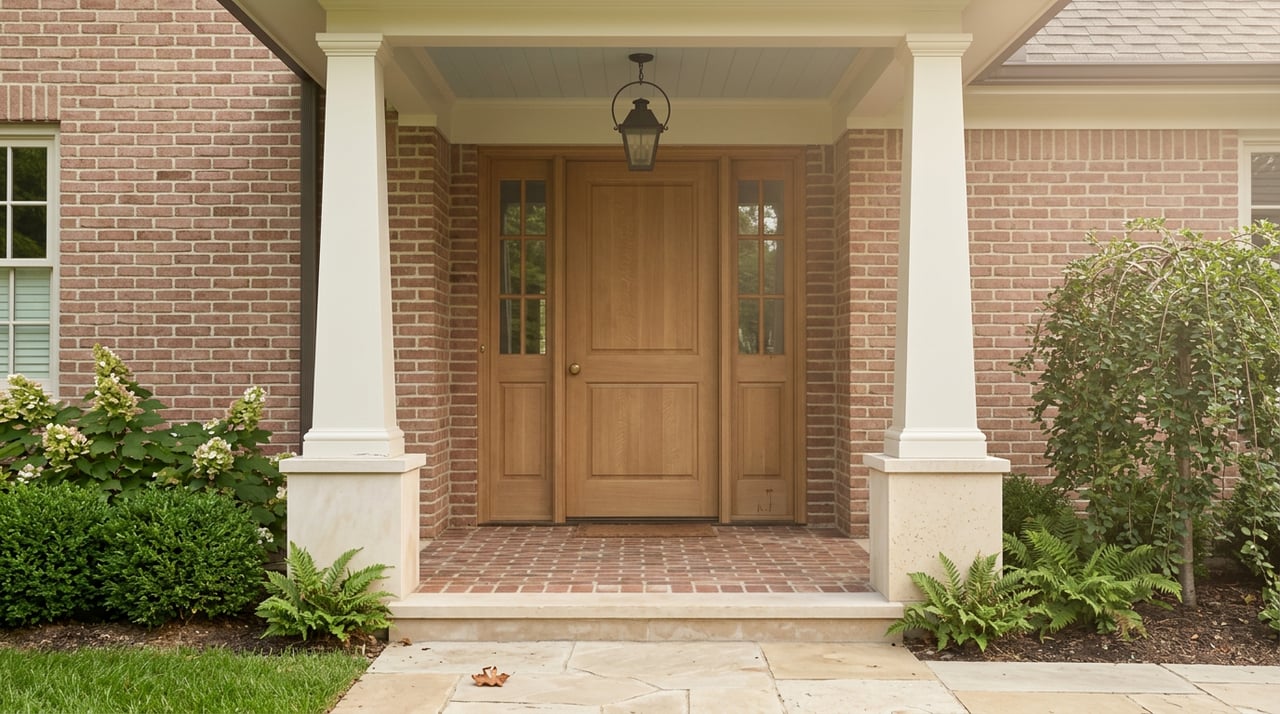
- Focus on curb appeal first. Annual Cost vs Value data shows strong recoupment for exterior improvements such as entry upgrades and siding or facade refreshes compared with large, high-end additions. Review national patterns at Cost vs Value.
- Modernize with restraint. Modest kitchen updates and bath refreshes often return more than gut-level remodels, especially in period homes where preserved details add value. Cost vs Value
- Inspect systems. For older homes, budget a contingency and request full evaluations of electrical, HVAC, and plumbing before purchase.
- Plan for materials. Clay tile, stucco, and original windows can be worth preserving. Price specialized repairs early so there are no surprises during escrow.
Match your goals to the right home
- If you love period character and are open to thoughtful updates, target restored Tudor, Spanish, or Colonial Revival homes. You will enjoy rich detail and the chance to tailor kitchens and baths.
- If you want indoor-outdoor flow and cleaner lines, look for mid-century modern or updated ranch homes, which often sit on larger or sloped lots that maximize views.
- If you prefer a lower purchase price with architectural charm, explore smaller masonry bungalows or well-located townhomes, then prioritize the updates that matter most to you.
Choosing in Kessler Park is part architecture and part lifestyle. The right advisor helps you balance style, site, and the local ordinance so your investment stands the test of time. If you are ready to explore, schedule a private consult with Carol Ann Zelley for tailored guidance and a clear plan from search to close.
FAQs
What historic designations apply to Kessler Park homes?
- Parts of Kessler Park are listed on the National Register of Historic Places, and much of the area is covered by the City of Dallas Kessler Park Conservation District, which governs many exterior changes. Review both the NRHP nomination and the City’s conservation district page.
Does National Register status restrict changes to my Kessler Park house?
- No. National Register listing recognizes significance but does not itself impose local permit controls. In Kessler Park, exterior changes are regulated by the City’s conservation district standards. See the City’s guidance and the NRHP file.
Which renovations usually deliver the best resale ROI in Kessler Park?
- Cost vs Value reports consistently show stronger recoupment for curb-appeal projects and modest kitchen updates than for large, high-end additions. Check current trends at Cost vs Value.
Are sloped or irregular Kessler Park lots harder to build on?
- Often yes. Hills, rock outcrops, and irregular parcels can increase grading, retaining, and structural needs. Consider a topographic survey and early engineering review. Neighborhood context is outlined in Kessler Neighbors United’s history.
How can I confirm if a property is inside the Kessler Park Conservation District?
- Start with the City of Dallas conservation district page. Verify boundaries and standards, then confirm any planned exterior changes with City Planning before design work begins.