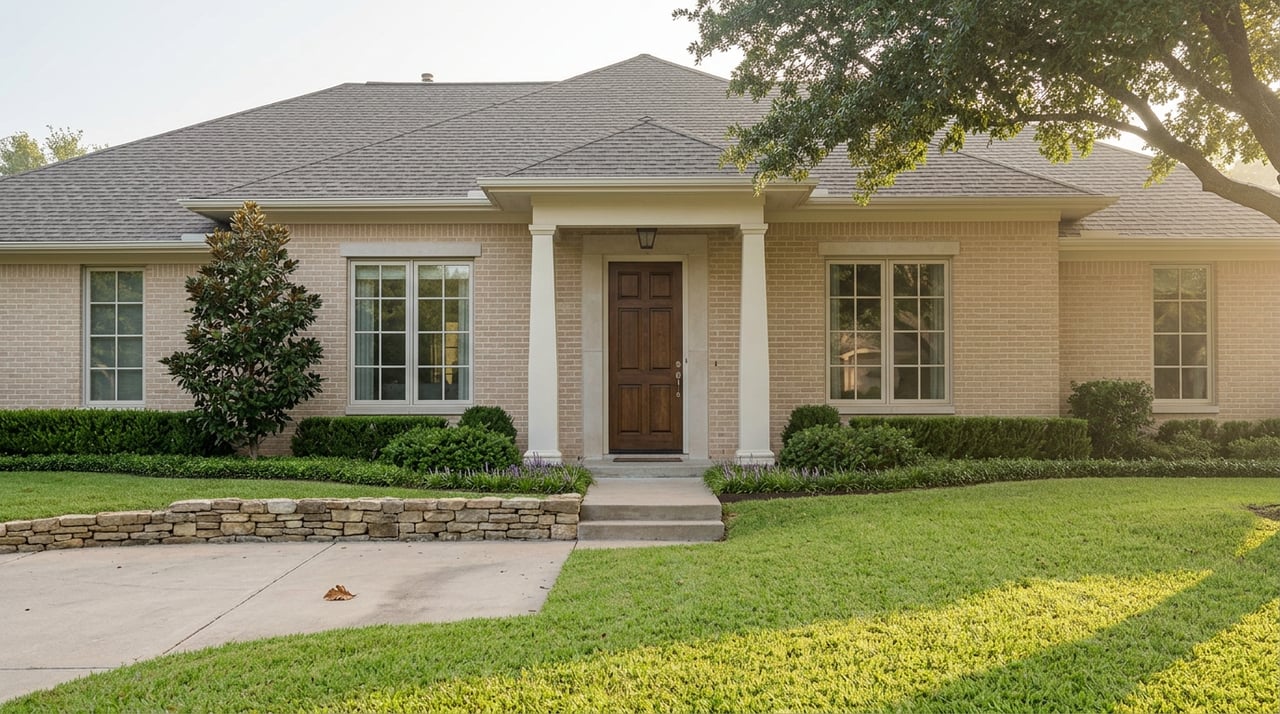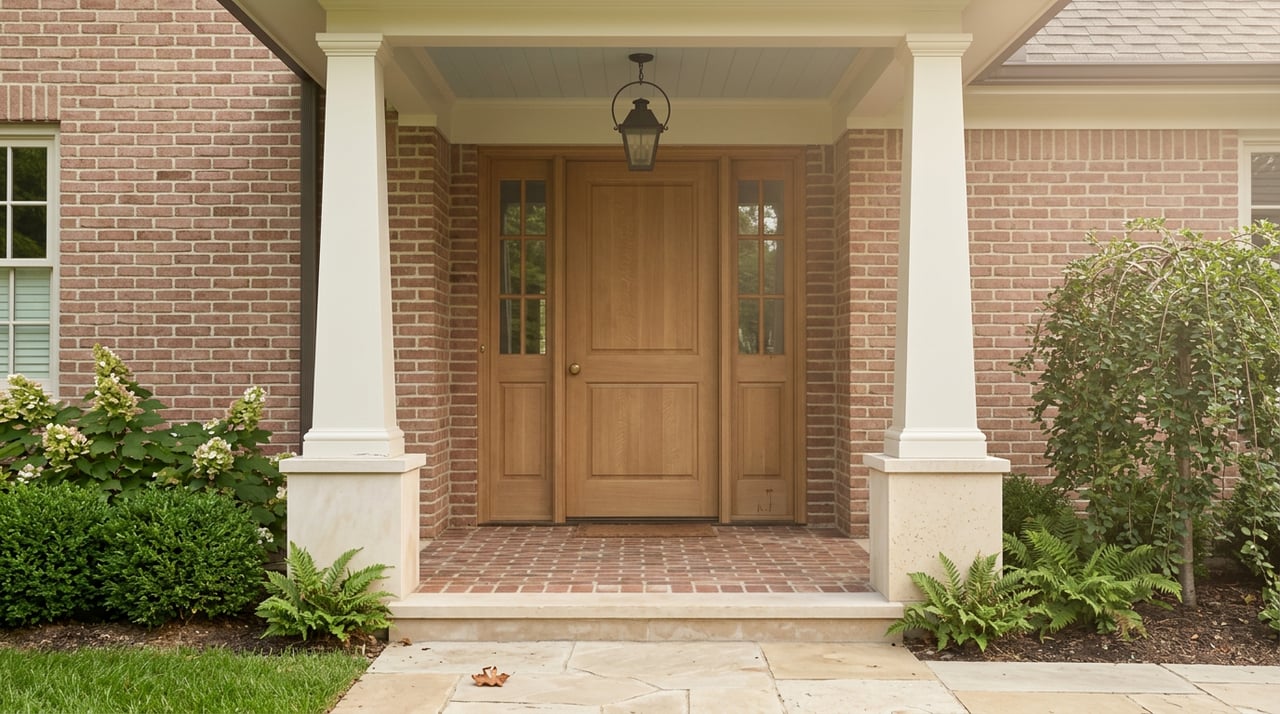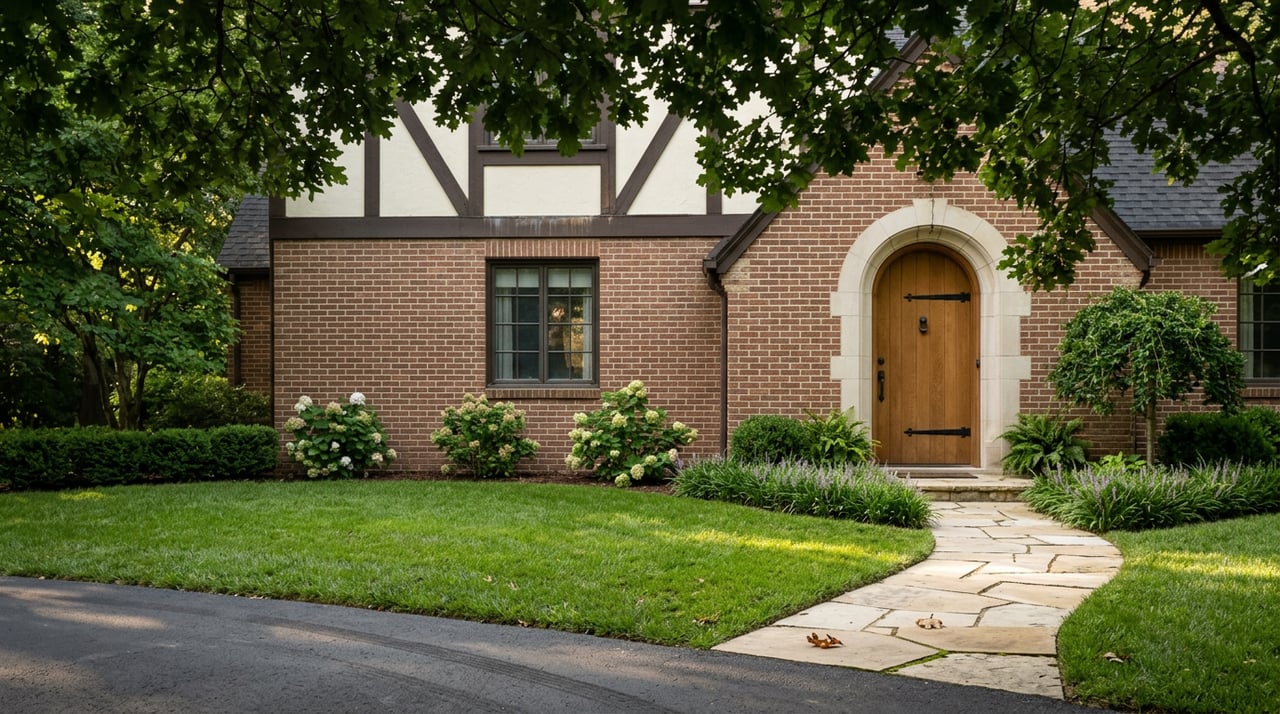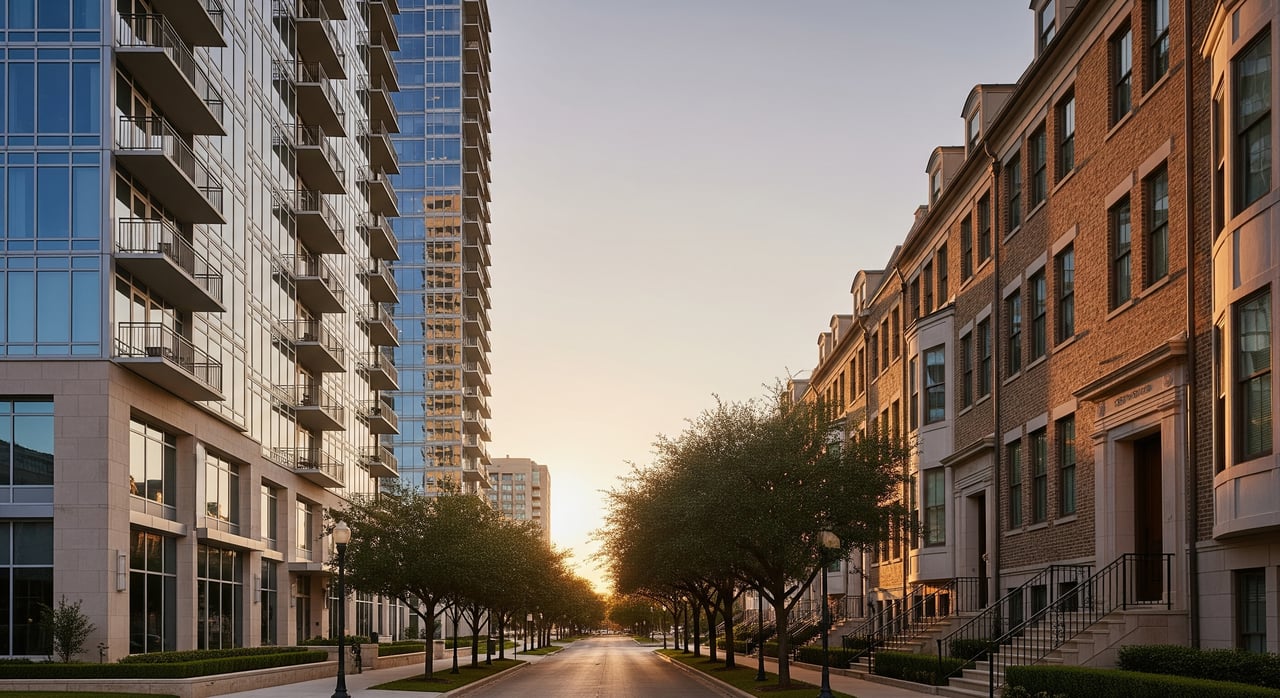
Trying to choose between a condo and a townhome in Uptown? You are not alone. Many buyers want walkability, low maintenance, and easy access to dining, the Katy Trail, and transit, but the right property type depends on how you live. In this guide, you will see the key tradeoffs in space, privacy, parking, costs, financing, and resale so you can decide with confidence. Let’s dive in.
Uptown living at a glance
Uptown is one of Dallas’s most walkable neighborhoods, with a dense mix of restaurants, bars, retail, and offices. The McKinney Avenue trolley and nearby DART CityPlace/Uptown station make short commutes and nights out simple. The Katy Trail and Turtle Creek bring green space to your doorstep.
Buyers here often prioritize convenience, amenities, and a lock-and-leave lifestyle. You will find a wide mix of high- and mid-rise condos and many attached townhome communities, each offering a different balance of privacy, maintenance, and cost.
Condo vs townhome basics
What you own
- Condos: You own the interior space of your unit plus a shared interest in common areas. The association maintains the building exterior and common systems under a master insurance policy. You pay monthly assessments for these services.
- Townhomes: You typically own the unit and the land beneath it. Exterior maintenance can be the owner’s responsibility or the HOA’s, based on community rules. Always confirm what the HOA covers versus what you must maintain.
How it lives day to day
- Condos: Usually stacked units with interior corridors, elevators, and shared amenities like a fitness room and pool. Parking is typically in a structured, gated garage with assigned or deeded spaces.
- Townhomes: Multi-level attached homes with a private street entry and garage. Some include a small yard or patio. You gain more of a single-family feel with direct access and fewer shared systems.
Walkability, transit, and access
Both property types deliver excellent walkability in Uptown. Homes near McKinney Avenue or the Katy Trail often command a premium because you can step out to dining, shopping, and outdoor recreation in minutes. The McKinney Avenue trolley and DART access add convenience, though locations directly on busy corridors can experience more street noise.
Privacy and noise
High-rise condos may have more incidental noise due to neighbors above and below, shared corridors, and elevators. Soundproofing varies widely by building. Townhomes often feel more private because there is no unit above or below, and you have a private entry. You can still hear sound through shared walls, and smaller yards can be overlooked by neighbors.
Parking and guests
Condos typically include one or more assigned or deeded garage spaces. Guest parking can be limited, with rules for visitor access and time limits. Townhomes usually have private garages and sometimes driveways, which many buyers prefer for ease of access.
In Uptown, curbside parking is often metered or regulated in commercial corridors, and some residential streets require permits. Check both city rules and any HOA or building policies before you buy.
Lock and leave lifestyle
If your top priority is lock-and-leave living, condos often deliver the most turnkey experience. Building staff or management handle exterior maintenance, landscaping, and many common utilities, and you may have added security features like controlled entries and cameras.
Townhomes can also work well if the HOA maintains the exterior and landscaping. If the owner is responsible for roofs, paint, and yard care, plan for more coordination when you are out of town.
Costs, fees, and insurance
HOA fees usually cover building insurance, common area maintenance, landscaping, trash, and sometimes water and sewer. High-rise condos tend to have higher monthly fees due to elevators, garage systems, amenities, and on-site staff. Many townhome communities have lower fees if there are fewer shared systems, though upscale townhome communities with amenities can be similar to smaller condo associations.
Important due diligence items to request:
- Current HOA budget, financials, and reserve study or reserve balance
- HOA meeting minutes for the last 12 to 24 months
- Association insurance policies and a clear statement of what owners must insure
- Rules on rentals, pets, and use restrictions
- Owner occupancy ratio and any pending or recent special assessments
Insurance differs by property type:
- Condos: Owners typically carry an HO-6 policy for interior finishes and personal property. The association insures the building exterior and common areas under a master policy. Confirm coverage limits and deductibles.
- Townhomes: Owners often carry HO-3 or HO-5 policies because more of the structure may be your responsibility. Exact coverage needs depend on the community’s governing documents.
Always check flood risk using FEMA and local designations. Lenders may require flood insurance, and it can be wise even when not mandated.
Financing differences
Condo loans can involve extra project-level reviews. Some loan programs evaluate the association’s financials, owner occupancy ratios, and litigation status. Associations with low reserves or high delinquency can be challenging for certain lenders.
Townhomes often finance like single-family homes because you own the structure and land. You will still need to review HOA health and rules, but the project approval hurdles are usually lighter. Prequalify with a lender experienced in Uptown condos and ask about any project review early.
Resale and investment factors
Condos attract buyers who value amenities and turn-key living, including many young professionals, downsizers, and investors. Resale value closely tracks building condition, HOA governance, fees, and amenities.
Townhomes appeal to buyers who want a more private, single-family feel with a garage and more space. The land component can help townhomes track more closely to single-family market dynamics.
What helps resale in Uptown:
- Proximity to the Katy Trail, McKinney Avenue, and public transit
- Deeded or well-located parking, plus easy guest access
- Strong HOA finances and healthy reserves
- Reasonable fees for the services provided
- Modern finishes, smart storage, and functional floor plans
Risks that can hurt resale:
- Association litigation, deferred maintenance, or large pending assessments
- High renter ratios that reduce owner occupancy and deter some loan programs
- Oversupply of similar units that increases competition
- Parking shortages or difficult guest-parking rules
If you plan to rent the home, verify rental caps, lease-length rules, and short-term rental restrictions in both HOA documents and city regulations. Many associations restrict short-term rentals.
Smart buying checklist
Use this quick list for either property type in Uptown:
- Review HOA budget, balance sheet, income and expense statements, and reserve study
- Read HOA board minutes for the last 12 to 24 months
- Study declarations, bylaws, rules, and any amendments
- Confirm association insurance and your required owner policy
- Ask about litigation and any special assessments
- Verify parking: deeded vs assigned, and guest policies
- Check owner occupancy ratio and rental restrictions
- Evaluate noise exposure, especially along busy corridors
- Confirm flood zone status and any flood history
- Schedule inspections tailored to the property type
- Engage an experienced lender, inspector, and, when needed, a real estate attorney
How we can help
Choosing between a condo and a townhome in Uptown is easier when you have a clear plan. We help you compare communities, review HOA health, and understand true monthly costs beyond the list price. Our concierge approach coordinates inspectors, lenders, and vendors so you can focus on the home that fits your lifestyle.
If you are considering the Park Cities, Preston Hollow, or Uptown and nearby North Dallas enclaves, you will get a tailored strategy and white-glove guidance from search through closing. Ready to explore your options and move with confidence? Connect with Carol Ann Zelley to schedule a personalized consultation.
FAQs
Which is quieter in Uptown, a condo or a townhome?
- Townhomes often feel quieter because there is no unit above or below, but construction quality matters more than property type and can vary by community.
Do townhomes usually have lower monthly costs than condos?
- Often, but not always; high-rise condos tend to have higher fees for elevators and amenities, while townhome fees can be lower if there are fewer shared systems.
Are Uptown condos harder to finance than townhomes?
- Condo loans can require project approval and association reviews that some programs mandate, while townhomes often finance like single-family homes.
What is better for lock-and-leave living in Uptown?
- Condos generally offer the most turnkey lock-and-leave experience because exterior maintenance and common utilities are handled by building management.
What HOA documents should I review before buying in Uptown?
- Request the HOA budget, financials, reserve study, board minutes, declarations and rules, insurance policies, any litigation disclosures, and details on assessments and rental rules.