Before sunrise, you’ll see headlamps and bike lights tracing the 9.33-mile loop around White Rock Lake. By mid-morning, sailboats dot the water and neighbors gather for coffee just a few blocks away. If you’re thinking about life in Old East Dallas or the nearby lake communities, this is your daily backdrop: easy outdoor access, a tight rhythm of local errands and dining, and quick connections to the city. In this guide, you’ll learn how the lake shapes routines, which nearby neighborhoods fit different lifestyles, and what to consider before you buy. Let’s dive in.
Why White Rock Lake pulls you in
The loop in your backyard
The paved loop around White Rock Lake is about 9.33 miles, and it anchors daily life for nearby residents. Runners, cyclists, and walkers use it before work and at sunset, and it links into the larger White Rock Creek trail network for longer rides and runs. You can review trails, access points, and park facilities through the City’s official page for White Rock Lake. If you want regular trail time, proximity to a trailhead becomes a top home search criterion.
On-the-water life, today
You will not see powerboats here. White Rock Lake is known for sailing, rowing, and non-motorized craft like kayaks and paddleboards. The culture is active and welcoming, with visible activity most mornings and evenings. If you are curious about boat storage or membership, the White Rock Boat Club is a good example of the lake’s long-standing community clubs.
Culture on the shore
Life near the lake is not only about trails. The Bath House Cultural Center on the east shore hosts art and music programming, and the Dallas Arboretum sits on the southeast edge with seasonal festivals and concerts. Many residents plan weekend routines around these institutions, pairing a garden visit or show with a casual meal nearby.
Neighborhoods around the lake
Lakewood: classic lakeside character
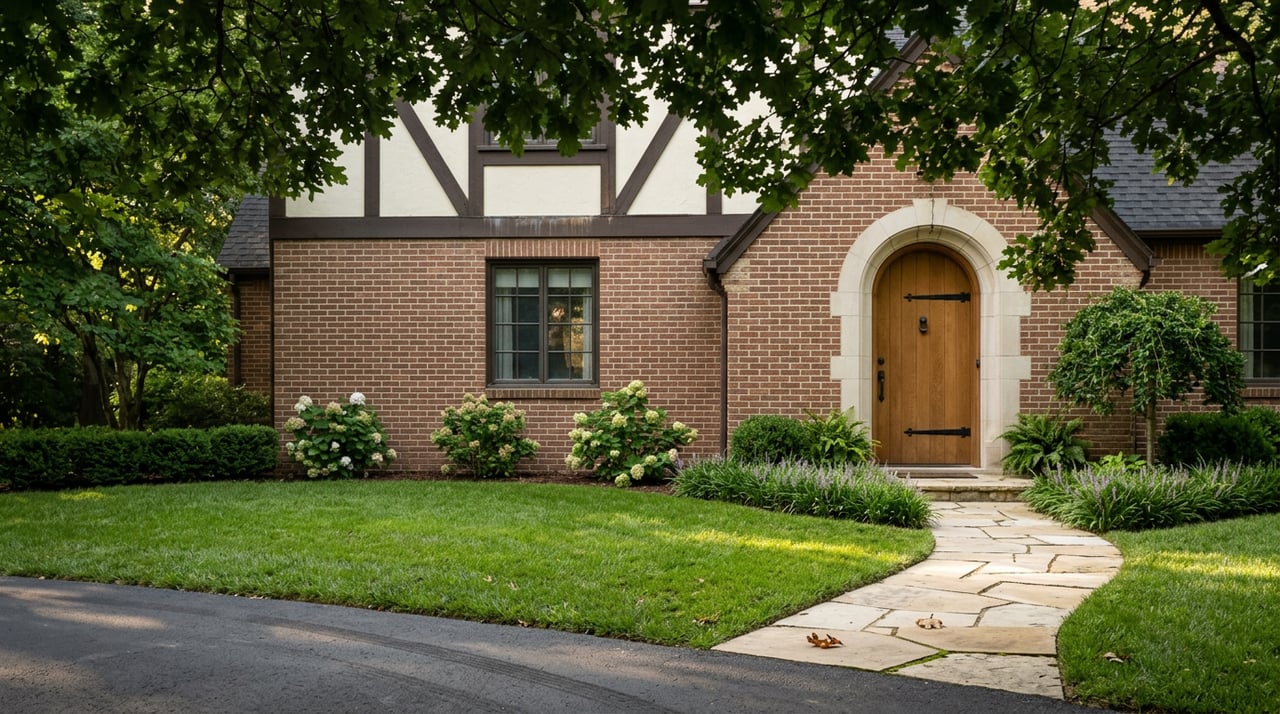
Lakewood sits along the west and southwest sides of the lake. You’ll find early 20th-century Tudor, Mediterranean, and Craftsman homes alongside updated ranches and larger newer builds. The Lakewood Shopping Center and historic theater create a small-town center feel for daily errands and coffee. Get a sense of the area’s housing styles and local rhythm in this Lakewood neighborhood overview.
Old East Dallas: historic districts and tree-lined streets
Just south and southwest of the lake, Old East Dallas includes Munger Place, Junius Heights, and the Swiss Avenue Historic District. These streets feature Prairie, Craftsman, Neoclassical, and Tudor homes with carefully preserved details. If you value architectural integrity and conservation-district protections for exterior changes, review the Swiss Avenue Historic District to understand how preservation guidelines shape projects.
Lake Highlands and Old Lake Highlands: more space and variety
North and northeast of the lake, Lake Highlands spans several micro-areas with mid-century ranches, 1960s–70s construction, and increasing infill. The housing mix offers a wider range of prices and lot sizes compared with the immediate Lakewood corridor. For a high-level orientation, this Lake Highlands overview provides useful geographic context.
Casa Linda and the Garland Road corridor
Southeast of the lake, Casa Linda offers larger, older lots and a distinct neighborhood identity centered on Casa Linda Plaza. Many buyers see this pocket as a chance to live close to the Arboretum and the water with a slightly different lot-and-price balance. Explore the area’s vibe and housing mix in this Casa Linda neighborhood guide.
Little Forest Hills, Forest Hills, and nearby pockets
East and southeast of the lake, these eclectic neighborhoods attract buyers who want a laid-back feel and modest-scale homes while staying close to trails and the Arboretum. Architecture ranges from mid-century to creative remodels. If you want a more casual, arts-friendly atmosphere with quick lake access, these areas may fit your style.
Daily routines and where locals go
After the run: nearby dining hubs
When locals finish a loop, many head to Lower Greenville for food and nightlife. The strip is compact and walkable, with a steady mix of restaurants, patios, and late-night spots. If you are mapping weekend plans, start with this Lower Greenville snapshot.
Closer to home, Lakewood Shopping Center functions as a neighborhood hub for coffee, casual dining, and errands. For a quick orientation to the retail node and surrounding streets, skim the Lakewood overview.
For a car-light day, the Mockingbird Station and SMU corridor blend rail access with retail, dining, and a movie theater. It is a practical node when you want transit plus amenities, as described in this Mockingbird Station context.
Getting around: walkability and transit
Walkability varies by pocket. Homes near Lakewood Shopping Center or the Lower Greenville corridor offer more errands on foot, while interior residential blocks are more car dependent. DART rail access at Mockingbird Station can be a handy alternative for certain commutes. If being able to stroll to coffee or hop on a trail is non-negotiable, focus your search within a half-mile of your preferred hubs.
What you pay for near the lake
Micro-location matters
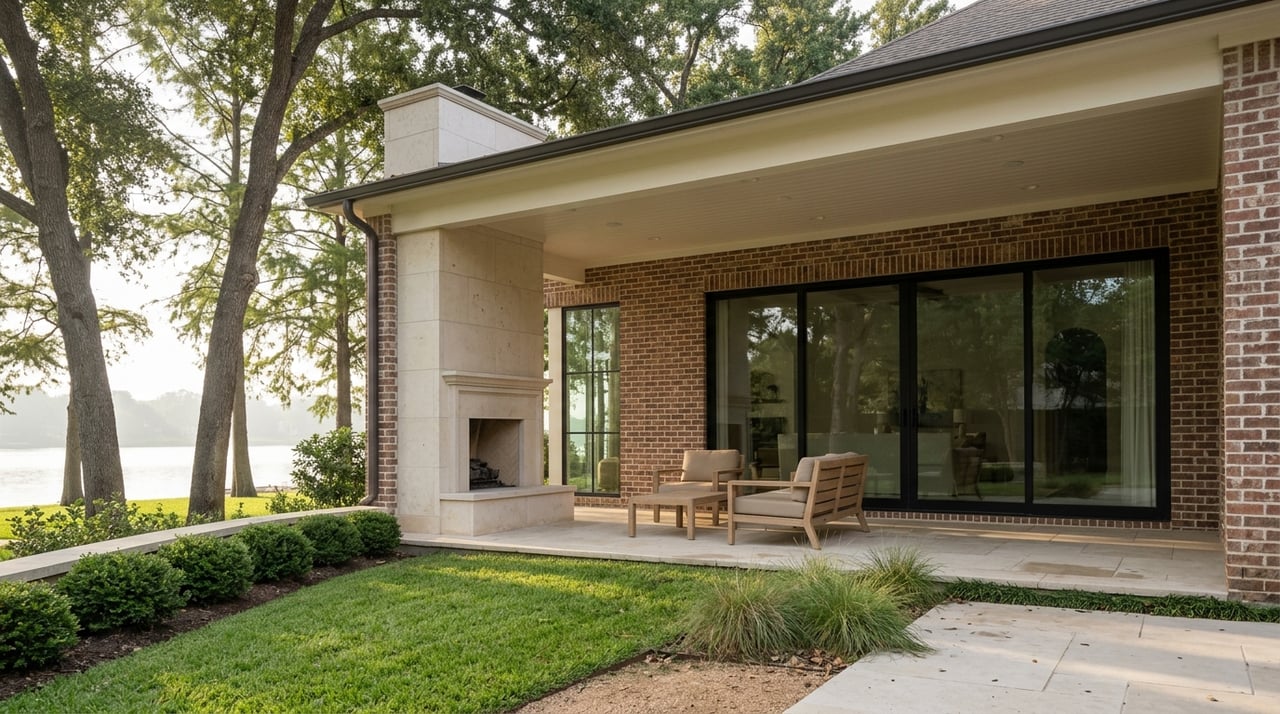
Premiums for near-lake homes are real but hyper-local. Shoreline or view lots, rare private dock or launch access, and immediate proximity to trailheads can command higher prices. Two blocks inland, buyers often prioritize larger yards and quick access to coffee and dining instead of a direct view of the water.
Price snapshot you can use
As of January 2026, a recent ZIP-level snapshot for 75218, which includes parts of the lake area, showed a median sale price around 651,000 dollars. Neighborhoods differ widely by street and home type, and values shift with factors like lot size, age, and renovation level. Lakewood overviews frequently cite owner-occupied home values in the high six figures; for local texture, see the Lakewood neighborhood page. Use this as a directional guide while you narrow to micro-market comps on your target streets.
Renovation and historic rules
If you plan exterior changes to a historic home in areas like Swiss Avenue, Munger Place, or Junius Heights, expect design review for certain projects. That process protects neighborhood character and can shape your renovation timeline. Start with the Swiss Avenue Historic District for a model of how preservation guidelines work.
Buyer checklist for lake living
- Define your radius to the loop. For true daily access, target homes roughly 0.2 to 0.6 miles from your preferred trailhead. Review facilities and trail maps on the City’s White Rock Lake page.
- Map your daily errands. Decide whether you want to walk to Lakewood Shopping Center, Lower Greenville, or other hubs, then filter for homes that place those within a comfortable stroll.
- Understand school boundaries. Addresses near the lake can fall into different district assignments. Confirm your specific address with the district’s boundary and enrollment teams before you bid.
- Plan for lake-specific upkeep. Near-shore properties may face unique maintenance considerations like erosion or silt issues. For background on lake conditions and ongoing community efforts, review the White Rock Lake Foundation’s overview, then discuss due diligence with your inspector.
- Think through club access. If rowing, sailing, or kayak storage matters, start early on membership or waitlists with local organizations such as the White Rock Boat Club.
- Check current lake rules. Swimming is not permitted, and boating is oriented to sailing, rowing, and other non-motorized craft. Verify operational rules with Dallas Parks for the latest guidance on permits and events via the City’s park page.
Living here, simplified with local guidance
Choosing between Lakewood’s architectural charm, a larger lot in Casa Linda, or the broader options in Lake Highlands comes down to lifestyle and micro-location. Your best next step is a tailored search that balances trail access, daily conveniences, and the right home style and budget. If you want a hands-on partner who understands historic homes, neighborhood nuances, and concierge-level service, connect with Carol Ann Zelley to schedule a personalized consultation.
FAQs
Can you swim or boat on White Rock Lake?
- Swimming is not permitted. Boating focuses on sailing, rowing, and non-motorized craft like kayaks and SUPs. For current rules and permits, check the City’s White Rock Lake page.
Which East Dallas neighborhood fits if I want historic homes near the lake?
- Look at Old East Dallas districts such as Swiss Avenue, Munger Place, and Junius Heights for early 20th-century architecture, and review preservation guidelines through Preservation Dallas.
How long is the White Rock Lake trail loop and what is it like?
- The loop is about 9.33 miles of paved, multi-use trail with frequent access points, lake views, and links to broader paths. See maps and facilities on the City’s White Rock Lake page.
What are the main dining and shopping areas near White Rock Lake?
- Lower Greenville is a nearby cluster for restaurants and nightlife, Lakewood Shopping Center covers daily errands and casual dining, and Mockingbird Station adds shopping and DART access. Start with this Lower Greenville snapshot and Mockingbird Station context.
Are flood or maintenance issues common for lake-proximate homes?
- Near-shore properties can face unique considerations like erosion or siltation. Review lake background from the White Rock Lake Foundation and consult local inspectors during due diligence.