What if the biggest pricing mistake in Preston Hollow is not underpricing your home, but chasing a number the market will not support? If you are preparing to sell a luxury home here, you are likely balancing pride of ownership, significant investment, and a very real goal of protecting your bottom line. The good news is that smart pricing is not guesswork. It is a strategy built on local context, strong comps, and a clear understanding of what buyers are rewarding right now. Let’s dive in.
Preston Hollow pricing starts with today’s market
Preston Hollow remains one of Dallas’ most recognized luxury areas, but that does not mean every high-end listing will command top dollar just because of the address. The neighborhood includes a wide range of homes, from estate properties on large lots to more modest ranch homes, and buyers tend to be very specific about what they want.
Recent market data shows why careful pricing matters. In March 2026, Redfin reported a median closed-sale price of $1.28 million and 58 days on market in Preston Hollow. Around the same time, Realtor.com showed a median listing price of $2.08 million, 162 homes for sale, and 44 days on market, while Zillow’s 75225 data showed an average home value of $2.06 million and 46 days to pending as of March 31, 2026.
Those figures are not direct contradictions. They reflect different slices of the market, but together they point to the same takeaway: Preston Hollow is active, yet selective. Asking prices are sitting above recent closed-sale medians, which means your pricing strategy needs to be grounded in what buyers have actually paid, not just what sellers hope to get.
That matters even more in the broader Dallas-Fort Worth environment. Zillow showed Dallas with an average home value of $309,421 and homes pending in about 41 days as of March 31, 2026. The Texas Real Estate Research Center also reported ongoing DFW price softening through January 2026, statewide average days on market at 80, months’ supply at 4.7, and median seller price cuts of $19,000.
Why luxury pricing in Preston Hollow is different
Luxury pricing is rarely a simple price-per-square-foot exercise. In Preston Hollow, two homes with similar square footage can perform very differently based on lot quality, privacy, design, condition, and micro-location.
Lot size and privacy shape value
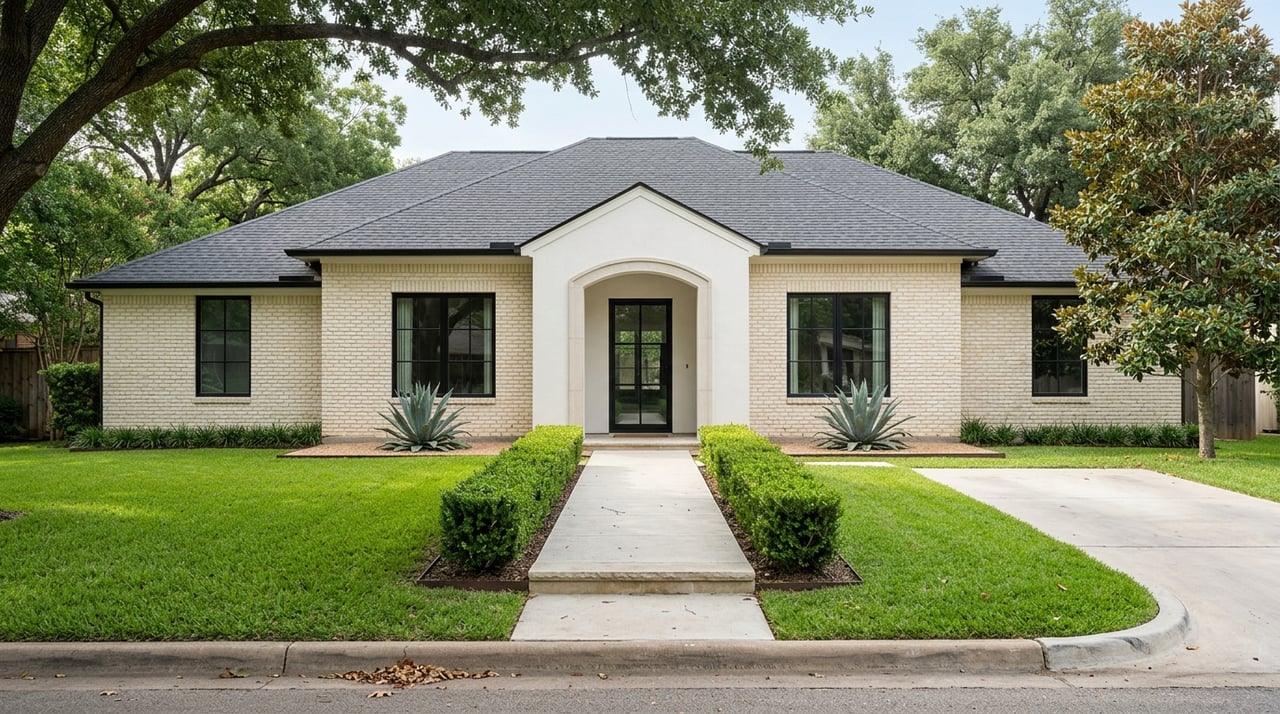
In parts of Old Preston Hollow, generous lots, mature trees, and homes set far back from the street are part of the neighborhood’s identity. That means lot depth, acreage, and setting can influence value in a major way.
For sellers, this is important because a smaller home on a standout lot may compete well against a larger home on a less desirable site. It is not a fixed rule, but it is a key pricing consideration in a neighborhood where land and privacy carry real weight.
Architecture creates separate submarkets
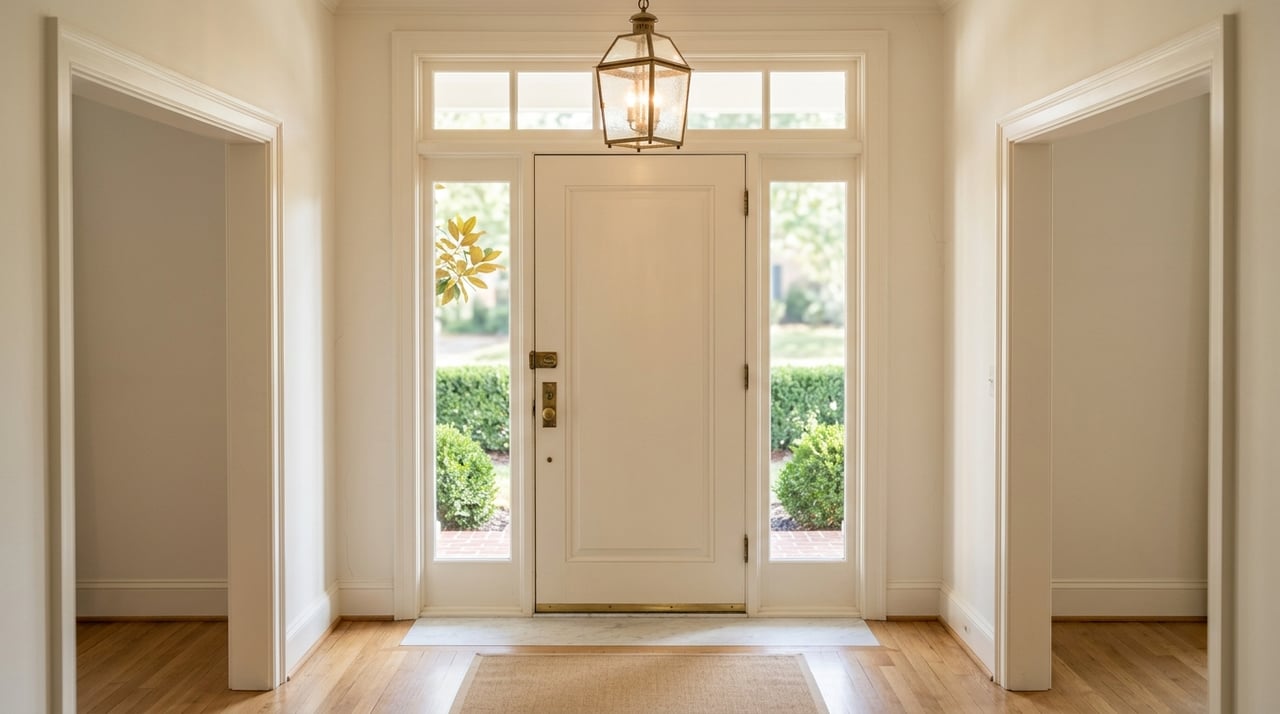
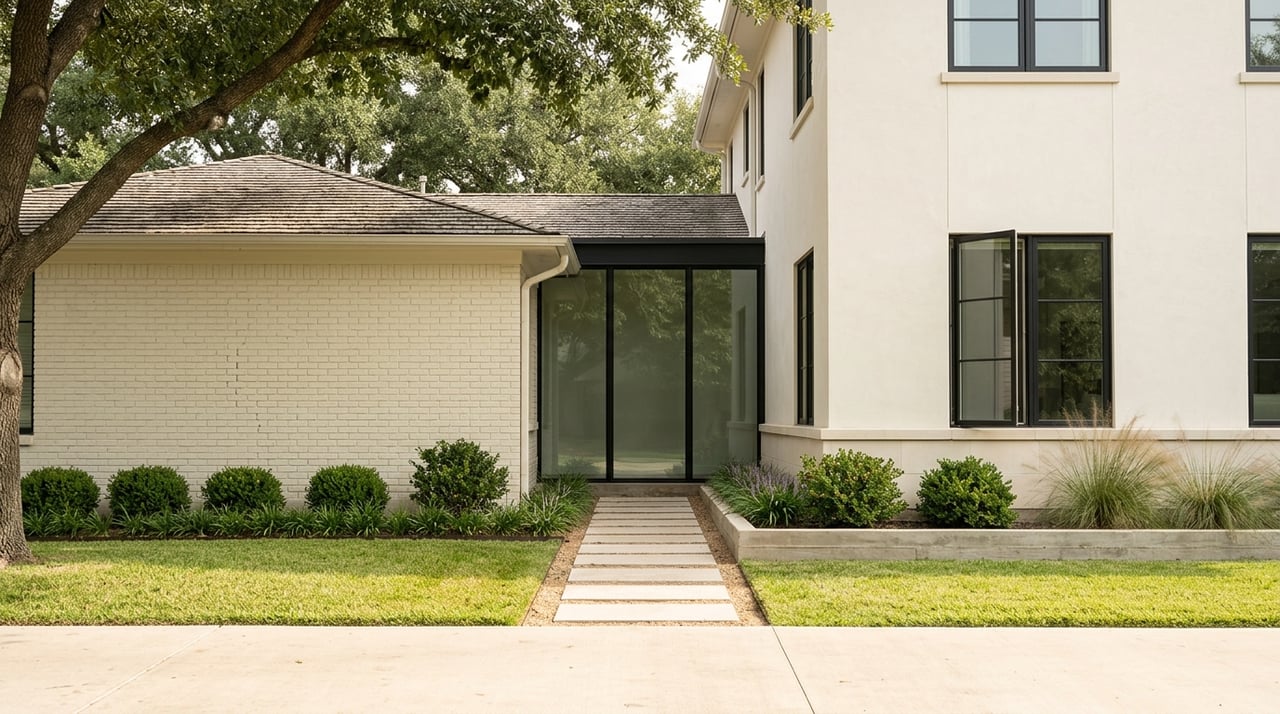
Preston Hollow has a varied housing stock. You will find original ranch homes, renovated ranch properties, mid-century modern homes, and new custom construction, sometimes within close distance of each other.
Because of that mix, not every nearby sale is a useful comp. A restored mid-century home may attract a different buyer than a new-build transitional or an original-condition ranch. When architecture and finish level vary this much, pricing has to reflect the specific type of home you are selling.
Condition and renovations affect buyer response
Condition matters in every market, but it can have an outsized effect in a luxury segment where expectations are high. Dallas Central Appraisal District notes that residential value can shift when square footage or characteristics are corrected, when sales data indicate a different market value, or when permits show additions, remodels, or amenity changes.
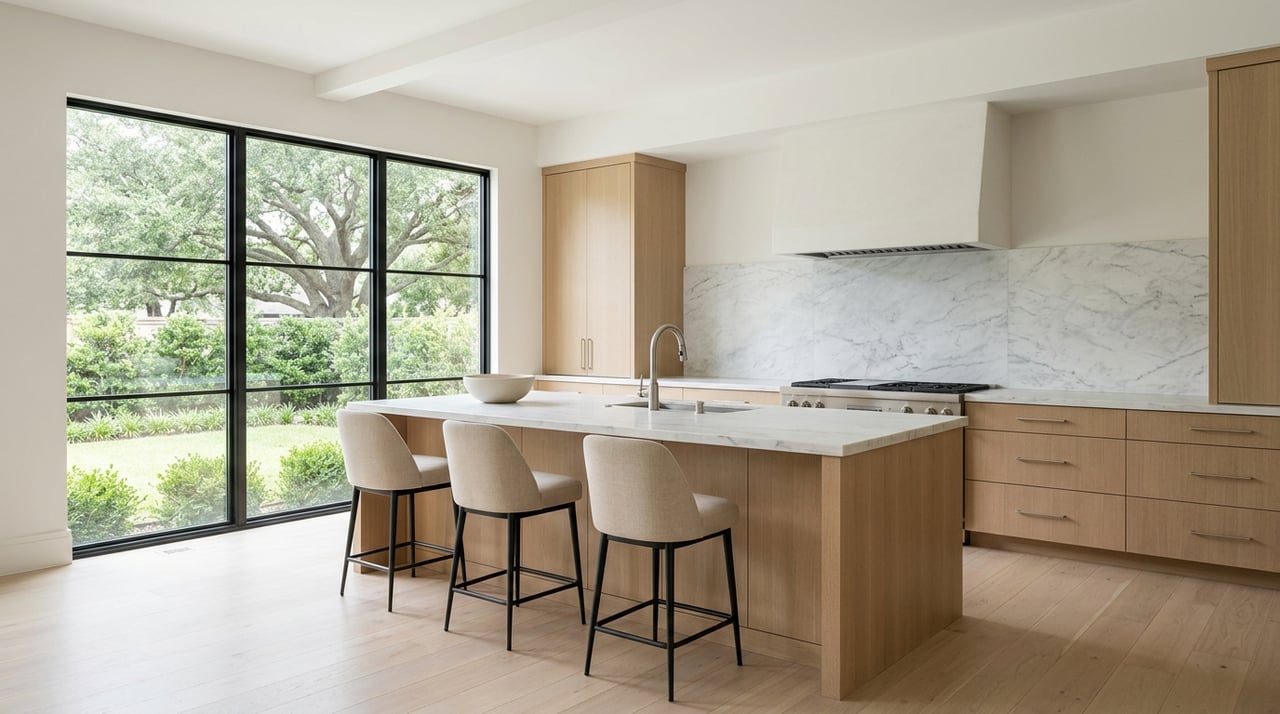
Its valuation process reviews factors like square footage, condition, desirability, utility, bath count, additional improvements, and land value. In practical terms, buyers tend to notice upgrades that improve how a home lives and functions, such as updated systems, improved layout, newer windows, or refreshed interiors.
That does not mean every renovation dollar comes back one-for-one. It does mean meaningful updates usually deserve thoughtful adjustment when your home is being priced against original-condition properties.
Micro-location matters more than many sellers think
Preston Hollow is not one uniform market. Old Preston Hollow alone contains 19 smaller neighborhoods, and nearby zip-level data shows different days on market across the area.
That is why the closest and most comparable sales often matter more than broader neighborhood averages. A sale a few streets away may look similar on paper, but if it sits in a different pocket, on a different lot type, or in a different architectural lane, it may not be the right benchmark for your home.
How to build a smart pricing strategy
A strong pricing plan should be both data-backed and market-aware. In a selective luxury market, the goal is not to test the ceiling. The goal is to launch at a price that attracts serious buyers while your listing is fresh.
Start with closed sales, not active listings
Dallas Central Appraisal District’s residential process reflects a sound approach for sellers: compare the subject property with similar recent sales, then adjust for differences such as pool, lot size, age, condition, location, and other improvements. DCAD also notes that the sales comparison approach is typically preferred for residential valuation.
That matters because active listings show competition, not proof of value. They can help you understand what buyers are seeing, but they do not tell you what buyers have actually agreed to pay.
For a Preston Hollow luxury home, the most useful comps are usually recent closed sales in the same pocket with similar lot dimensions, architecture, and renovation level. If another home has a guest house, a significantly newer interior, or a more private setting, those differences should be adjusted before that sale is used as a pricing benchmark.
Price for the market you have now
One of the most common mistakes in a luxury market is pricing for a best-case scenario instead of current conditions. Realtor.com classified Preston Hollow as a buyer’s market in March 2026, and inventory was up 18.25% year over year.
That increase in supply gives buyers more options and makes sharp initial pricing more important. The Texas Real Estate Research Center also reported a statewide median sale-to-list ratio of 0.95, which suggests many sellers are not getting their full original asking price.
If mortgage rates remain in the 6% range and inventory stays elevated, buyers are more likely to compare homes carefully, negotiate harder, and move on from listings that feel overpriced. In that environment, a well-priced listing often protects value better than an aspirational one.
Use a pricing range, not an emotional anchor
Preston Hollow’s value band is clearly in multimillion-dollar territory, but the spread between public listing and closed-sale data shows why pricing discipline matters. Zillow’s 75225 average home value was $2.06 million, and Realtor.com’s median listing price was $2.08 million, yet Redfin’s recent median closed-sale price came in at $1.28 million.
That gap is a reminder that visible asking prices are not the same as achieved prices. One standout estate sale or one ambitious listing should not become the anchor for your home unless the comp truly matches your lot, architecture, condition, and location.
A smarter approach is to identify a defensible range based on recent closed sales and then choose a launch price that fits your goals, timeline, and competition. This can help attract qualified buyers early, when interest is usually strongest.
Common pricing mistakes luxury sellers should avoid
Even strong homes can lose momentum if the pricing strategy misses the market. In Preston Hollow, a few common mistakes show up again and again.
Relying too heavily on tax appraisal
Your tax appraisal is not the same as your ideal list price. DCAD uses comparable sales and other market data to estimate market value, and those values can change even when you have not made physical improvements.
That makes tax value one reference point, not a complete pricing plan. A listing strategy should go deeper, especially for estate properties and homes with unique features.
Comparing unlike homes
A broad Preston Hollow comp search can be misleading. If your home is a renovated ranch on a deep, tree-filled lot, a new custom build on a different type of site may not be a clean comparison.
The same goes for original-condition homes versus fully updated properties. Comp quality matters as much as comp quantity.
Overvaluing improvements without market context
Renovations matter, but buyers do not always pay back every dollar you spent. The improvements that usually carry the most weight are the ones that improve utility, condition, and day-to-day living.
Updated systems, thoughtful layouts, and visible maintenance often support stronger pricing than highly personalized finishes with limited broad appeal. The market rewards usefulness and coherence, not just cost.
Chasing the market after launch
When a home comes to market, it usually gets the most attention in its earliest days. If the initial price is too high, you may miss the strongest showing window and end up adjusting later under weaker leverage.
In a market with more inventory and selective buyers, that can lead to more days on market and less pricing power. Smart pricing from day one often creates a stronger position than repeated price reductions.
What sellers in Preston Hollow should do now
If you are preparing to sell, your next step is not to pick the highest number you can justify. It is to evaluate your home through the same lens buyers are using right now.
Start by looking at recent closed sales in your immediate pocket. Then weigh the details that matter most in Preston Hollow, including lot depth, privacy, architecture, condition, and renovation level.
From there, build a pricing strategy that reflects current buyer behavior, not just neighborhood prestige. In a luxury market that is active but selective, careful pricing can help you stand out, attract serious interest, and protect your final result.
When you want a tailored strategy for your Preston Hollow home, Carol Ann Zelley offers concierge-level guidance, local market insight, and a thoughtful pricing approach designed for North Dallas luxury sellers.
FAQs
How should you price a Preston Hollow luxury home in today’s market?
- Start with recent closed sales that closely match your home’s pocket, lot, architecture, and condition, then adjust for meaningful differences like privacy, updates, pool, or guest house.
Why are Preston Hollow listing prices higher than recent closed prices?
- Public listing data and closed-sale data track different parts of the market, and current numbers suggest some asking prices are above what recent buyers have actually paid.
Do renovations raise Preston Hollow home value?
- Yes, renovations can support higher value, especially when they improve condition, utility, systems, and overall livability, but they do not always return dollar-for-dollar.
Which comps matter most for a Preston Hollow home sale?
- The most useful comps are usually recent closed sales in the same micro-pocket with similar lot characteristics, architecture, and finish level.
Should you use your Dallas tax appraisal to set a list price?
- No, tax appraisal can be one data point, but a list price should be based on current comparable sales and market conditions rather than appraisal value alone.
Why is pricing strategy so important for Preston Hollow sellers right now?
- Inventory is higher, buyers have more choices, and the market is more selective, so a sharp launch price can help attract serious buyers before a listing loses momentum.