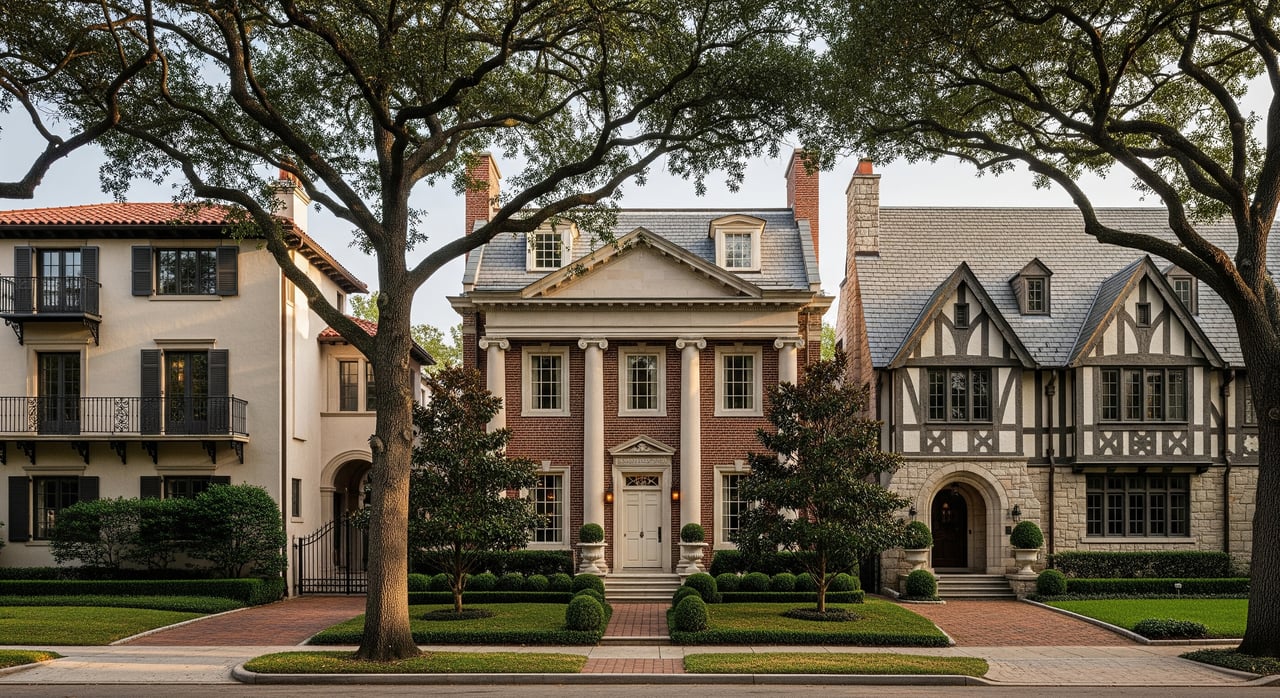
Ever look down a Highland Park street and feel like you’re on a private architecture tour? You’re right to notice the variety. Because the town was planned in the early 1900s and has seen steady reinvention, you see original-period homes next to mid-century infill and large contemporary estates. In this guide, you’ll learn how to spot the most common styles fast, what to inspect by style, and how each can influence resale in Highland Park. Let’s dive in.
Why Highland Park shows many styles
Highland Park grew as a planned residential enclave in the early 20th century, then layered new homes and replacements over time. That is why Tudor Revival and Mediterranean homes sit near Georgian, Craftsman, mid-century, and modern estates. This mix is part of the neighborhood’s character.
Demand is also shaped by community factors. Highland Park Independent School District is a major value driver for many buyers, and lot size, setbacks, and streetscape cohesion carry weight in pricing. Because replacement and large additions are common, it pays to weigh authenticity of original features against modern systems and layouts, and to verify any local permitting or historic considerations before you renovate or rebuild.
Highland Park architectural styles
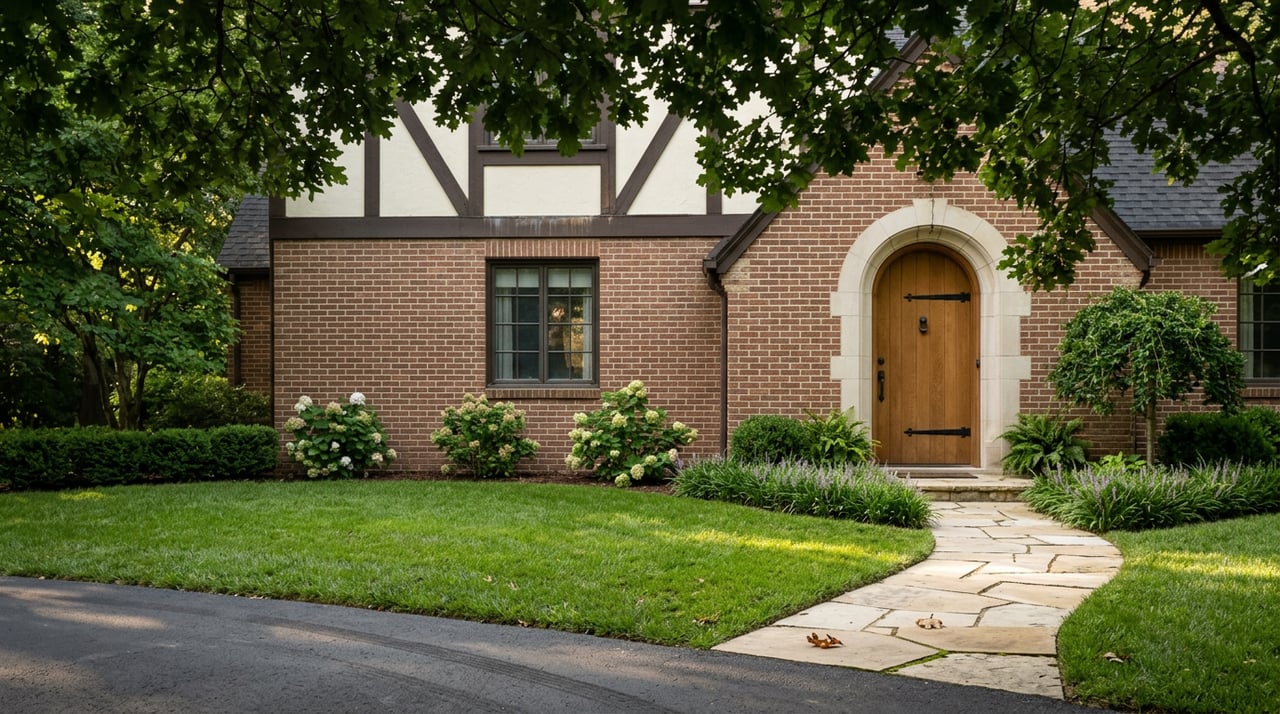
Tudor Revival
- How to spot it:
- Steep, multi-gabled roofs with cross gables
- Brick or stucco with decorative half-timbering
- Tall, narrow grouped windows and arched doorways
- Prominent chimneys with pots
- Era: 1920s–1930s revivals
- Typical materials: Brick, stucco, wood half-timber; slate or clay tile roofs originally
- What to inspect:
- Moisture at stucco and timber seams; wood rot
- Chimneys and complex flashing at gable intersections
- Original casement or leaded windows, which can be costly to restore
- Roof valleys for hail or wind damage
- Resale in Highland Park: Well-preserved details and scale-appropriate additions draw strong interest. Incongruent boxy additions can undercut perceived authenticity.
- Photo note: “Tudor Revival — 1920s–1930s. Brick and stucco with half-timbering, steep gables, leaded windows. Inspect timber-stucco seams and chimney flashing.”
Mediterranean or Spanish Colonial Revival
- How to spot it:
- Low-pitched red clay tile roof and stucco walls
- Arched openings, wrought iron, and courtyards or loggias
- Asymmetrical fronts with towers or arcades
- Era: 1920s–1930s
- Typical materials: Stucco over masonry or wood; clay tile; ironwork
- What to inspect:
- Stucco cracks and moisture at openings
- Clay tile for broken pieces and underlayment condition
- Ironwork corrosion and anchoring
- Resale in Highland Park: Original tile roofs and intact stucco details support value. Replacing tile with composition roofing can lessen curb appeal.
- Photo note: “Mediterranean Revival — 1920s–1930s. Stucco walls, clay tile roof, arched openings, ironwork. Check stucco and roof underlayment.”
Georgian or Colonial Revival
- How to spot it:
- Symmetrical brick facades with a centered entry and pediment or portico
- Double-hung sash windows with shutters
- Classical trim like dentils and formal cornices
- Era: Late 19th century through 1940s, then revived later
- Typical materials: Brick veneer or solid brick; wood trim; slate or composition roofs
- What to inspect:
- Mortar joints and any settlement cracks that break the symmetry lines
- Original single-pane sash condition and weather stripping
- Roof type and age, since slate and composition age differently
- Resale in Highland Park: Timeless symmetry and quality brickwork hold value. Authentic interior details like moldings and mantels support premiums.
- Photo note: “Georgian Revival — early to mid-20th century. Symmetrical brick, classical portico, sash windows. Monitor mortar and window performance.”
Craftsman or Bungalow
- How to spot it:
- Low-pitched gables, wide eaves, exposed rafter tails
- Tapered porch columns on heavy piers
- Emphasis on wood and stone with built-ins inside
- Era: 1910s–1930s
- Typical materials: Wood shingles or clapboard, stone, brick
- What to inspect:
- Wood rot at rafter tails and porch elements
- Foundation piers and settlement in smaller originals
- Original wood windows and doors for restoration needs
- Resale in Highland Park: Smaller footprint, high-character homes attract buyers who value charm or renovation potential. Additions should respect rooflines to retain value.
- Photo note: “Craftsman — 1910s–1930s. Wide eaves, exposed rafters, tapered columns. Watch for wood rot and pier settlement.”
Mid-century and Ranch or Mid-century Modern
- How to spot it:
- Long, horizontal profiles with wide eaves
- Large picture windows, clerestories, and open plans
- Minimal ornamentation and strong indoor-outdoor connection
- Era: 1950s–1970s, with occasional revivals
- Typical materials: Wood, brick, large panes of glass; older mechanicals
- What to inspect:
- Energy upgrades for large single-pane windows
- Flat or low-slope roof drainage
- Slab and grading for movement or moisture
- Resale in Highland Park: A restored mid-century in a good location has a strong niche following, though many buyers prefer larger contemporary estates.
- Photo note: “Mid-century — 1950s–1970s. Horizontal massing, big windows. Confirm roof drainage and window efficiency.”
Contemporary or Estate (21st century)
- How to spot it:
- Large footprints with varied massing and tall glazing
- Mixed materials like glass, steel, stucco, and engineered wood
- Open, flexible floor plans
- Era: 1990s–present
- Typical materials: Modern HVAC and systems; mixed roof forms; engineered foundations
- What to inspect:
- Complex mechanicals and smart-home components; consider service plans
- Building envelope transitions where glass meets cladding
- Builder documentation and warranty coverage
- Resale in Highland Park: Modern amenities are a draw. Lot orientation and how the massing fits the block heavily influence the buyer pool.
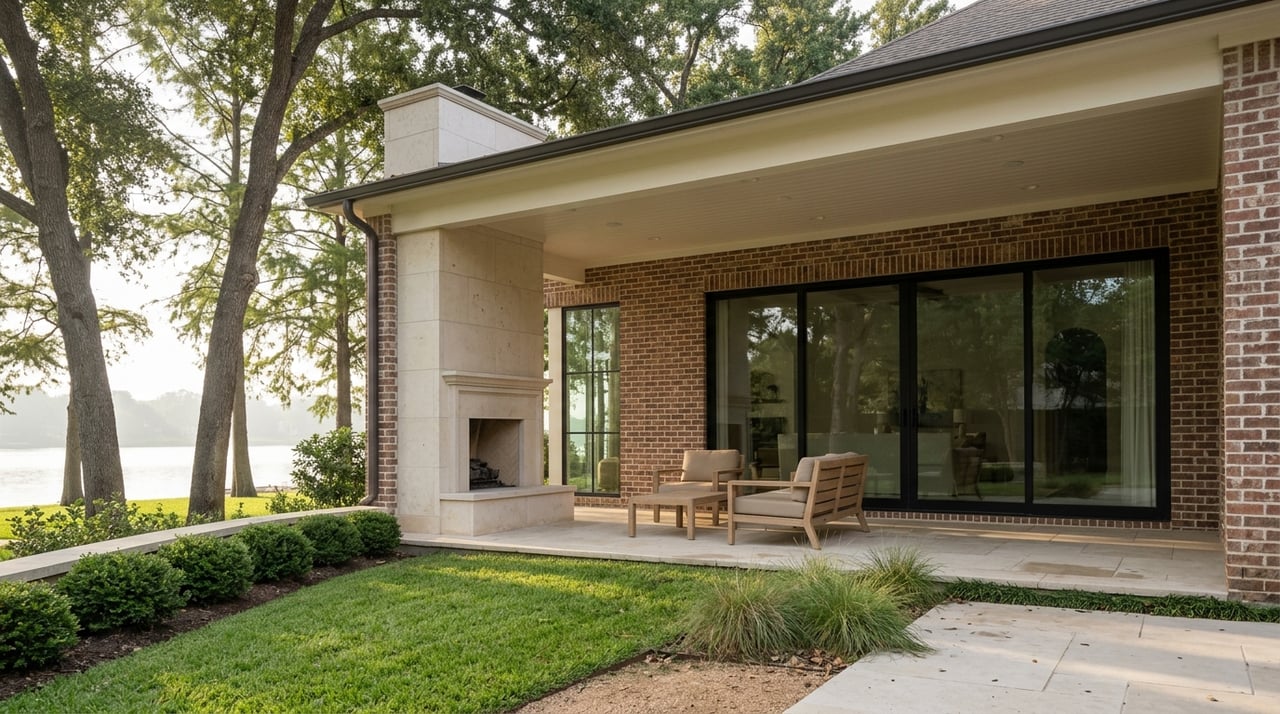
- Photo note: “Contemporary Estate — 1990s–present. Mixed materials, large glazing. Review envelope detailing and system documentation.”
French Provincial and English Revival variants
- How to spot it:
- Steep hipped roofs with dormers and tall, multi-paned windows
- Stone or stucco facades; romantic symmetry or controlled asymmetry
- Typical materials: Stone veneer or stucco; complex roof forms
- What to inspect:
- Dormer flashing and roof complexity
- Stone veneer anchorage and water management
- Resale in Highland Park: Often read as luxurious when masonry and roof materials are high quality.
- Photo note: “French Provincial — varied dates. Steep hips, dormers, stone or stucco. Inspect dormer flashing and veneer anchorage.”
Touring checklist you can use today
- Roof form: steep gables, low tile, flat or low-slope, or hipped with dormers.
- Wall material: brick, stucco, stone, wood shingle, or mixed modern cladding.
- Windows: narrow casements, double-hung sash, large picture windows, or tall multi-paned.
- Entry and details: arched doors, ironwork, half-timbering, porticos, tapered columns.
- Streetscape fit: setbacks, tree canopy, and how additions relate to the original massing.
Maintenance, insurance, and costs to expect
Older masonry and stucco homes deserve close attention to foundations, mortar or stucco condition, moisture at openings, and flashing. Half-timbered or wood-heavy homes need checks for rot, termites, and exposed rafter tails. Large single-pane or leaded glass is beautiful, but you should weigh energy upgrades against historic character.
Roof age and material affect both insurance and resale in North Texas, where hail and wind are common. Typical lifespan guidance is helpful when you evaluate a roof:
- Slate: about 75 to 100 plus years with proper fastening
- Clay tile: about 50 to 100 years, and underlayment often needs replacement
- Asphalt composition: about 20 to 30 years
- Metal: about 40 to 70 years depending on type
Drainage and grading matter on older lots. French drains and proper slopes can protect basements or crawlspaces from moisture. Plan for mechanical upgrades in older homes, since HVAC, electrical, and plumbing replacements are common major line items.
Renovation choices that protect value
If you own a period home, keeping original moldings, windows, mantels, and masonry can support resale. That said, many Highland Park buyers want open kitchens, larger closets, and improved service areas. The best projects find ways to deliver function while respecting the exterior proportions that anchor the block.
Before you plan a large addition or a teardown, verify permits, any recorded covenants, and local review standards that influence height, massing, or façade treatments. Lot orientation and setbacks will shape what is possible, especially for pools, garages, and outdoor spaces.
How to use this guide when buying or selling
- If you’re touring: Use the style cues above to identify the home quickly, then focus on the inspection priorities tied to that style.
- If you’re listing: Lead with curb appeal and authenticity. Document roof material and age, window status, mechanical updates, and any historic recognition.
- For all clients: Gather builder or contractor records, warranty info, and past permits. These details build buyer confidence and can shorten negotiations.
If you want a walk-through of styles on your block or a plan to prep your home by style and age, let’s connect. For tailored guidance in Highland Park, reach out to Carol Ann Zelley for a personalized, concierge-level strategy.
FAQs
How do I identify a Highland Park home’s style on a tour?
- Start with the roof and windows, then the wall material and entry details. Match what you see to the quick cues above for Tudor, Mediterranean, Georgian, Craftsman, mid-century, contemporary, or French Provincial.
Which Highland Park styles often need major work first?
- Older masonry or stucco homes and wood-heavy bungalows often need foundation, moisture, and wood-rot checks, and many period homes benefit from mechanical and window updates.
Are historic features worth preserving for resale in Highland Park?
- Yes, original features like moldings, mantels, leaded or sash windows, and quality masonry tend to support value when they are in good condition and paired with thoughtful updates.
Do I need approvals before renovating or tearing down in Highland Park?
- Verify with municipal planning and permitting, and review any recorded covenants or street-level standards that may affect scale, massing, or façade changes.
What should I budget for mechanical updates in an older home?
- Expect HVAC, electrical, and plumbing to be major line items in period homes. Get contractor estimates early so you can weigh restoration against full replacement.
Which roof materials perform best in North Texas and how does that affect insurance?
- Slate, clay tile, metal, and asphalt each have different lifespans; roof age and type influence premiums and claims in hail and wind events, which are common in the region.
How do lot orientation and setbacks influence additions in Highland Park?
- Orientation and setbacks shape where you can expand, place garages, or add outdoor spaces, and they also affect light, privacy, and how the home fits the streetscape.